
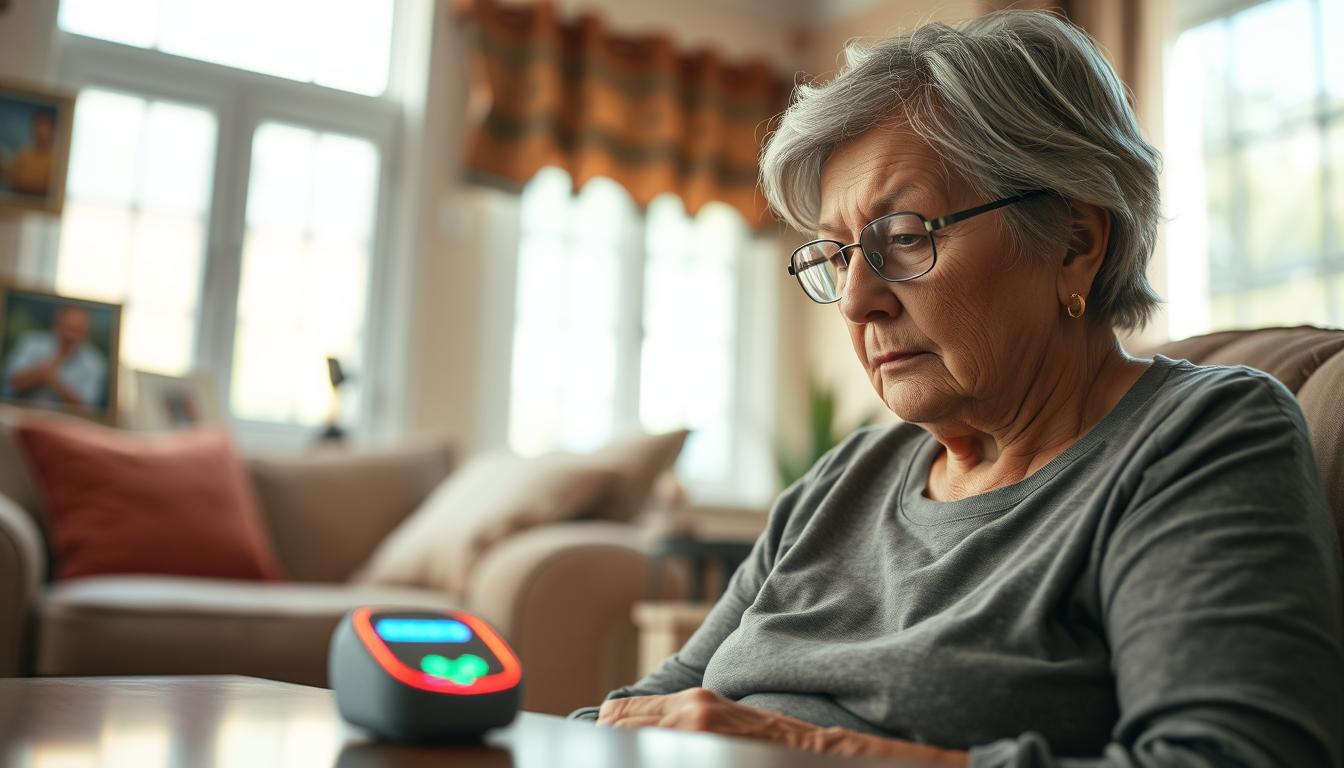
How Seniors With Low Hearing Can Use Flashing Alert Devices at Home
Living comfortably and safely at home becomes more important as we age. For seniors experiencing hearing challenges, everyday sounds can be difficult to detect. This creates potential safety risks when you miss critical alerts like doorbells, phone calls, or smoke alarms.
Specialized safety products transform your living space by replacing auditory signals with visual and tactile alternatives. Flashing lights and strong vibrations ensure you never miss important notifications. These innovative solutions provide peace of mind and greater independence.
Companies like ADCO Hearing Products have specialized in these safety systems for over 65 years. They understand the unique needs of the hard-of-hearing community. Their comprehensive approach covers everything from phone signals to emergency alarms.
This guide will help you navigate the available options for your home. You’ll learn about different types of monitoring products and how to choose the right system. We’ll cover features, installation, and maintenance considerations to find your perfect match.
Key Takeaways
- Flashing and vibrating systems provide essential safety for seniors with hearing challenges
- Visual alerts replace auditory signals for doorbells, phones, and emergency alarms
- Specialized products have been developed through decades of industry experience
- Comprehensive home monitoring can cover multiple alert types simultaneously
- Proper system selection enhances independence and daily living comfort
- Trusted suppliers offer solutions tailored to specific hearing needs
Understanding the Role of Flashing Alerts in Home Safety
Visual notification systems provide an essential layer of protection for household safety. These solutions convert everyday sounds into visible signals you can’t miss.
How Flashing Alerts Work
Modern safety equipment detects triggers like doorbells and smoke detectors. They translate these sounds into bright, attention-grabbing light patterns.
Certain flash intensities work better at capturing your attention. Rapid pulses and high-contrast colors ensure visibility from across rooms.
The technology uses specific patterns proven to break through distractions. This science makes visual warnings more effective than steady illumination.
Integrating Alerts with Your Home Environment
Strategic placement ensures comprehensive coverage throughout your living space. Position flashing units in bedrooms, kitchens, and main living areas.
Layered systems activate multiple lights simultaneously when one trigger occurs. This approach eliminates blind spots in your home layout.
Proper integration creates a seamless safety network. You maintain independence while staying connected to important household events.
Low-Hearing Alert Devices: Features and Benefits
Modern safety equipment offers multiple notification methods for different hearing needs. These specialized systems provide comprehensive coverage throughout your home environment.
Understanding the available features helps you select the perfect solution for your living space. Each component serves a specific purpose in maintaining your safety and independence.
Essential Features for Deaf and Hard-of-Hearing Users
Key elements distinguish effective safety systems from basic models. Look for products with color-coded LED indicators that show system status at a glance.
Green lights typically indicate normal operation while blinking red signals active alarms. This visual coding provides immediate understanding of your home’s safety status.
| Notification Type | Primary Benefit | Best For | Key Feature |
|---|---|---|---|
| Visual Lights | Clear visibility across rooms | Daytime awareness | Bright flashing patterns |
| Amplified Audio | Adjustable volume control | Partial hearing needs | Up to 120 decibel range |
| Vibrating Signals | Tactile notifications | Sleeping or distracted moments | Customizable intensity |
Visual, Audio, and Vibrating Signals Explained
Each notification method serves unique situations in your daily routine. Flashing lights work well for general household awareness when you’re awake and moving about.
Amplified sound products help those with some hearing capability. You can adjust volumes to comfortable levels while maintaining safety.
Vibrating components provide reliable notifications during sleep or distraction. These tactile signals ensure you never miss critical household events.
Buyer’s Guide Overview: Choosing the Right Alert System
Navigating the marketplace for home safety solutions requires careful consideration of your specific needs and living situation. This guide helps you evaluate different options to find the perfect match for your home environment.
Understanding the available systems and their features ensures you make an informed decision. You’ll discover how various products can enhance your daily safety and independence.
Comparing Top Brands and Systems
Leading brands offer distinct advantages for different home setups. ADT provides professional monitoring with a 9.8 SecurityScore, while SimpliSafe excels in DIY installation.
Cove offers affordable options starting at $19.99 monthly. Ring Alarm delivers excellent camera integration, and abode specializes in smart home automation.
Each category of safety equipment serves unique purposes in your home. From comprehensive security systems to individual alert items, you have multiple choices.
Accessibility Considerations for Seniors
When evaluating safety products, prioritize features that enhance usability. Look for large visual displays and intuitive controls that accommodate varying mobility levels.
Consider installation requirements and customer support accessibility. Many reputable brands offer TTY/VP phone numbers for direct communication.
This comprehensive view of the marketplace helps you identify which items best suit your lifestyle. The right systems provide peace of mind through reliable performance.
Exploring Visual and Audio Alert Options
Modern home safety technology offers two primary pathways for notifications: visual light patterns and amplified sound signals. Understanding when to use each type ensures you receive critical household alerts effectively.
Security systems from ADT, Cove, and SimpliSafe incorporate LED indicators that provide instant status updates. These control panels use color coding for quick recognition.
Flashing Lights Versus Sound Alarms
Visual notifications work exceptionally well for general household awareness. Bright flashing lights capture attention from across rooms during daytime activities.
Smart home integrations like Ring with Hue bulbs can transform your existing lighting into notification systems. Motion-activated options like Ring Spotlight serve dual purposes.
Amplified sound alarm systems benefit those with partial hearing capability. Adjustable volumes reaching 120 decibels ensure audible warnings.
Combining both methods creates redundant safety layers. This approach guarantees notification regardless of your location or activity when an alarm triggers.
Consider your living situation and degree of hearing challenge when choosing between visual light signals and auditory warnings. Multi-sensory systems provide comprehensive coverage.
Installation and Setup of Alert Systems at Home
Getting your new safety equipment properly installed creates the foundation for reliable home protection. The setup process varies significantly between different brands and models available today.
Most modern safety systems offer flexible installation approaches to match your technical comfort level. You can choose between do-it-yourself setup or professional technician assistance.
DIY Installation Versus Professional Setup
SimpliSafe excels as a DIY-friendly option requiring less than an hour without tools. They use adhesive command strips for easy mounting, though some users prefer screws for more secure attachment.
ADT provides comprehensive professional installation where technicians set up your entire system. This service ensures optimal placement and functionality throughout your home.
Professional installation offers peace of mind for those with mobility challenges. SimpliSafe provides this service starting at $124.99, while ADT includes it in their packages.
| Installation Type | Best For | Time Required | Cost Consideration |
|---|---|---|---|
| DIY Setup | Tech-comfortable users | Under 1 hour | No additional fees |
| Professional | Mobility limitations | 2-4 hours | $100-$200 typically |
Ensuring Reliable Connectivity and Coverage
Test your system thoroughly after installation to verify coverage. Check that flashing lights are visible from all angles in each room.
Place door sensors and motion detectors strategically to eliminate blind spots. Ensure vibrating components and phone call notifications reach you anywhere in your home.
Cellular-based systems like Cove provide reliable connectivity during power outages. For installation guidance, contact ADCO at 800-825-6758.
Monitoring, Notifications, and Emergency Call Features
When traditional sounds might go unnoticed, advanced notification systems ensure you never miss important household events. Modern security solutions keep you informed through multiple communication channels.
These features provide immediate awareness of any situation requiring your attention. You maintain control over your home’s safety through customizable options.
Text-Based Alerts and Smart Notifications
ADT’s SMART Monitoring sends text messages directly to your phone when an alarm triggers. You can verify or cancel the emergency through simple text responses.
Cove’s InstaText feature provides a 15-second window to dismiss false alarms. This system simultaneously notifies your emergency contacts for rapid response.
Push notifications through smartphone apps create vibrating alerts you can feel. This tactile feedback ensures awareness even when visual signals might be missed.
You can customize which events trigger notifications and how contacts receive them. Most systems offer both app-based and SMS message options for flexibility.
Benefits of Professional Monitoring Services
Professional monitoring becomes particularly valuable when immediate assistance is needed. Trained operators stand ready to dispatch help when you cannot respond.
ADT operates 12 monitoring centers across North America for constant coverage. Cove maintains three centers throughout the United States.
These services provide a reliable safety net for seniors living alone. Operators contact emergency services and your designated contacts during critical situations.
| Monitoring Service | Monthly Cost Range | Key Emergency Feature | Response Time Advantage |
|---|---|---|---|
| ADT | $24.99-$49.99 | Electronic dispatch | Faster emergency response |
| Cove | $19.99-$29.99 | InstaText alerts | 15-second response window |
| SimpliSafe | $21.99-$49.99 | Intruder Intervention | Agent communication through cameras |
| Ring | $10-$19.99 | SOS emergency response | Included emergency contacts |
| abode | $6.99 | Smart home integration | Most affordable option |
Advanced features like SimpliSafe’s Intruder Intervention allow agents to speak through your cameras. This can help stop crimes in progress before authorities arrive.
The right monitoring service ensures someone is always watching over your home. This provides peace of mind knowing professional help is just a notification away.
Maintenance, Troubleshooting, and Upgrades
Keeping your home safety equipment in optimal condition requires regular attention. Proper maintenance ensures your protection remains reliable over time.
Establish a simple schedule for checking your safety products. Test all components monthly and replace batteries quarterly.
Routine System Checks and Updates
Monthly testing verifies that your smoke detector and other alarms function correctly. Press test buttons to confirm proper signal transmission.
Check LED indicators for brightness and clear visibility. Dim lights may signal needed replacements.
Different security systems offer varying reliability levels. ADT’s equipment benefits from 150+ years of industry experience.
Cove uses cellular connections instead of Wi-Fi for more dependable service. This provides better performance during internet outages.
Professional monitoring services often include technical support for your safety products. They help troubleshoot issues and schedule maintenance visits.
Watch for signs that components need replacement. Smoke detectors typically last 10 years before requiring upgrades.
Keep your system’s firmware updated for improved features and security. Regular maintenance ensures continuous protection for your home.
Conclusion
Creating a safe home environment requires thoughtful planning, especially when auditory signals may not be sufficient. Modern safety systems have revolutionized daily living for those with hearing considerations. These innovative products transform potential challenges into manageable situations.
The right combination of notification methods creates the most effective safety net. Essential items include strobe lights for smoke detectors, flashing indicators for doorbells, and vibrating alarm clock options. Telephone amplifiers and visual ring signals ensure you never miss important calls.
Trusted suppliers like ADCO Hearing Products and modern security systems offer specialized features. Investing in quality devices maintains your independence and provides peace of mind. Start with essential items and expand your home safety network as needed.
Take the first step toward comprehensive protection today. Contact reputable companies, compare options, and build the system that gives you confidence and security for years to come.