
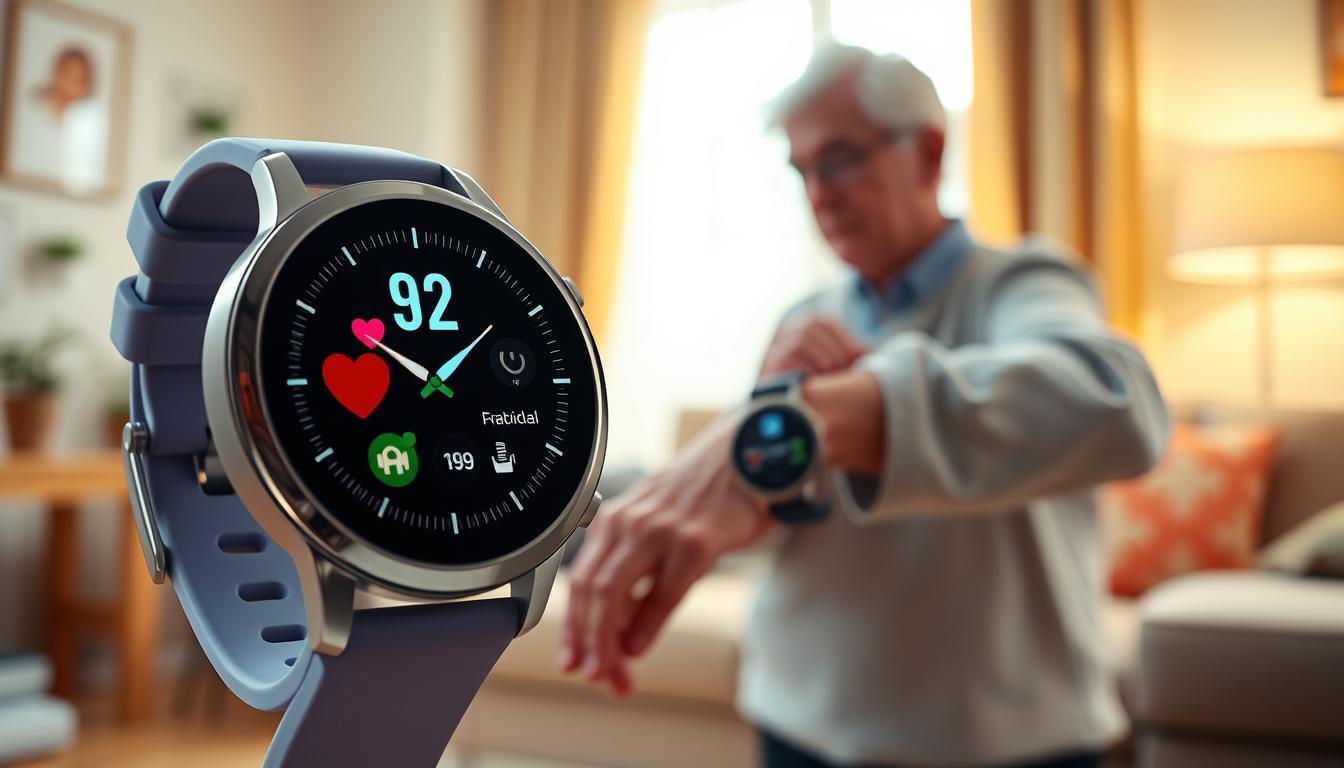
Heart-Monitoring Watches Seniors Over 70 Can Use Without a Smartphone
Staying connected and safe shouldn’t require mastering complex technology. For adults over 70 who prefer simplicity, standalone medical alert devices offer peace of mind without smartphone dependency.
These specialized wearables operate independently with built-in cellular connectivity. You don’t need to pair them with a phone. They provide direct access to emergency assistance at the touch of a button.
The adoption of wearable technology among older adults is growing rapidly. According to recent data, approximately one-third of people over age 50 now use these devices for health and safety.
Modern medical alert systems serve dual purposes. They offer immediate emergency response while tracking daily wellness metrics. This includes activity levels and vital sign measurements.
Maintaining independence is crucial for many older individuals. These devices deliver essential safety features without the complexity of modern smartphones. They’re designed specifically for ease of use.
This comprehensive guide explores key features, pricing options, and top product recommendations. We’ll help you make an informed decision about which device best suits your needs.
Key Takeaways
- Standalone medical alert devices work independently without smartphone pairing
- Built-in cellular connectivity provides direct emergency assistance access
- Approximately 30-36% of adults over 50 now use wearable technology
- These devices combine emergency response with daily health tracking features
- Simplified designs cater specifically to older users preferring straightforward technology
- Multiple options are available with varying features and price points
- Choosing the right device depends on individual needs and lifestyle preferences
Introduction
The evolution of medical alert systems now offers stylish alternatives to traditional emergency devices. These modern wearables combine safety features with everyday convenience for older users.
Adoption rates show significant growth in this technology. According to AARP’s 2022 report, 30-36% of adults over age 50 now use wearable smart devices. This represents a substantial increase from previous years.
Traditional pendant-style systems often face resistance due to their clinical appearance. Many users prefer discreet options that don’t announce their medical needs. Modern designs address this concern effectively.
| Feature | Traditional Pendant Systems | Modern Smartwatch-Style Devices |
|---|---|---|
| Design Appearance | Medical, obvious purpose | Stylish, discreet look |
| Wear Consistency | Often removed when not needed | Worn regularly like regular watches |
| Additional Features | Basic emergency button only | Health tracking and activity monitoring |
| User Acceptance | Lower due to stigma | Higher due to normal appearance |
Standalone operation represents a key advantage for these devices. They function independently without smartphone pairing requirements. This simplicity makes them ideal for users preferring straightforward technology.
Our comprehensive review examines the top options available today. We’ve conducted hands-on testing and compared pricing structures. You’ll find detailed recommendations to help select the perfect device for your needs.
Understanding the Need for Standalone Heart Monitoring Watches
Emergency access shouldn’t depend on your ability to operate a smartphone. Standalone medical wearables provide direct emergency connection without requiring smartphone pairing or technological expertise.
These specialized devices operate independently with built-in cellular connectivity. You get immediate assistance at the touch of a button, eliminating the need for secondary gadgets.
Avoiding Smartphone Dependence for Emergency Access
Leading models from Bay Alarm Medical, Medical Guardian, and LifeStation include integrated cellular SIM cards. This allows direct connection to emergency operators without phone pairing requirements.
Unlike smartphone-dependent options like the Apple Watch, these standalone systems function completely independently. The Apple Watch requires iPhone pairing and a separate cellular plan to work as a medical alert device.
The simplicity advantage is significant. Standalone watches eliminate complicated activation processes. You don’t need to manage multiple devices or accounts.
Built-in cellular service comes included in the monthly monitoring subscription. This avoids separate phone plans or additional contracts.
These systems provide reliable emergency access even if you’ve never used smartphones. Family members gain peace of mind knowing their loved one has constant protection.
The standalone approach ensures safety doesn’t depend on remembering to carry or charge a smartphone. It’s designed specifically for straightforward, reliable operation.
Key Benefits of Heart Monitoring Watches for Seniors
Contemporary medical wearables deliver a powerful combination of safety features and everyday functionality. These devices provide immediate emergency access while tracking your daily wellness metrics.
The primary advantage is instant connection to professional help centers. With a simple button press, you reach trained operators within seconds. This immediate response capability provides constant peace of mind.
Health tracking features offer valuable insights into your cardiovascular wellness. Continuous heart rate monitoring helps you stay aware of your physical condition throughout the day. This information supports better health management decisions.
Activity tracking encourages maintaining appropriate fitness levels. Step counting motivates daily movement that suits your abilities. These features help you stay active and engaged.
| Benefit Category | Primary Advantage | Additional Value |
|---|---|---|
| Emergency Access | Instant professional response | GPS location tracking |
| Health Insights | Heart rate monitoring | Activity level tracking |
| Daily Convenience | Weather and time display | All-in-one wrist device |
| Design Appeal | Discreet, modern appearance | Consistent wear encouragement |
Having everyday tools accessible on your wrist eliminates the need for multiple devices. You can check weather conditions and time without searching for other gadgets. This convenience simplifies daily routines.
The stylish design resembles modern smartwear rather than medical equipment. This discreet appearance makes users more likely to wear their devices consistently. Round-the-clock protection ensures safety whether you’re at home or outdoors.
These comprehensive features support maintaining an active lifestyle with confidence. You gain independence knowing assistance remains immediately available when needed.
Essential Features to Look for in Medical Alert Smartwatches
Practical considerations like battery performance and physical durability determine how well a medical alert system serves you. These technical features impact daily convenience and long-term reliability.
Battery Life & Ease of Use
Most medical alert devices offer 18-24 hours of battery life on a full charge. You should plan to charge your device nightly as part of your routine.
Simple magnetic charging cradles make powering up straightforward. The LifeStation Sidekick Smart reached 50% battery after 7 hours of use. Bay Alarm’s model averages 16-18 hours.
Large touchscreens with clear icons simplify operation. Minimal buttons reduce confusion for those preferring straightforward technology.
Water Resistance and Durability
Shower-safe construction provides protection during high-risk activities. Most devices withstand accidental water exposure.
Scratch-resistant screens and sturdy builds handle daily wear. Lightweight design between 1.3-2 ounces ensures comfortable all-day wear.
These durability features mean your watch survives potential impacts. You gain confidence knowing your safety device works when needed.
How Automatic Fall Detection Enhances Safety
When seconds count during an emergency, automatic fall detection can be the difference between timely help and dangerous delays. This technology provides crucial protection when you might be unable to call for assistance yourself.
AI-Driven Fall Detection for Accurate Alerts
Advanced artificial intelligence powers modern fall detection systems. The Bay Alarm Medical SOS Smartwatch uses AI to distinguish between actual falls and everyday movements.
This intelligent approach significantly reduces false alarms. It can tell the difference between sitting down quickly and a genuine fall incident.
According to CDC statistics, one in four older adults experiences falls annually. This makes reliable detection technology essential for safety.
Response Time & Reliability
Testing reveals varying performance across different devices. MGMove detected 9 out of 10 simulated falls, while the SOS Smartwatch caught 8 out of 10.
Wrist-based systems face accuracy challenges compared to pendant-style devices. Research shows they generally have lower detection rates.
Apple Watch’s fall detection proved unreliable in testing. It failed to trigger even during actual falls with injury.
| Device | Fall Detection Accuracy | False Alarm Rate | Monthly Cost |
|---|---|---|---|
| MGMove | 90% (9/10 falls) | Low | $10 extra |
| SOS Smartwatch | 80% (8/10 falls) | Moderate | $10 extra |
| Apple Watch | Unreliable | Variable | Included |
When a fall is detected, the device automatically alerts emergency contacts. This happens without requiring any button presses from you.
This feature provides an extra safety layer for those living alone. It ensures help arrives even if you’re unconscious after a fall.
Integrating Health Monitoring and Smartwatch Apps
Today’s medical wearables serve as personal health assistants with built-in applications for daily wellness management. These devices offer valuable functionality beyond emergency alerts.
Standard features include continuous heart rate tracking and activity monitoring. These applications help you stay aware of your cardiovascular wellness throughout the day.
Monitoring Heart Rate and Daily Activities
Step counters encourage maintaining fitness goals by tracking daily movement. Activity tracking motivates you to stay active and healthy with measurable progress.
Weather applications help plan outdoor activities safely. You can check current conditions without needing additional devices.
Advanced models like the WellBe Medical Alert Watch integrate with smart speakers. This system helps track medications, appointments, and insurance benefits.
Specialized apps such as MGMove’s Support Circle enable basic family communication. This feature costs approximately $5 monthly for added connectivity.
Heart rate data can alert you to potential health concerns. However, these devices complement rather than replace regular doctor visits.
Accessibility features in devices like the Samsung Galaxy Watch 7 include text-to-speech and high-contrast displays. These options support users with visual impairments.
While applications add significant value, emergency response remains the primary function. The core medical alert features provide the most important protection.
Exploring GPS Tracking and Emergency Connectivity
GPS connectivity ensures help arrives exactly where you need it during emergencies. Built-in positioning technology provides accurate location data to emergency operators within seconds of activating your alert.
This tracking capability offers dual benefits. Emergency responders receive precise coordinates when you press the SOS button. Family members can also check your location through caregiver portals for peace of mind.
Different watch models use varying tracking approaches. The Bay Alarm Medical SOS Smartwatch provides real-time location updates. Medical Guardian’s MGMove conserves battery with hourly updates instead.
Standalone devices include 4G LTE cellular service in monthly subscriptions. You don’t need separate phone plans. After pressing the emergency button, two-way communication lets you speak directly with operators.
GPS monitoring is particularly valuable for those with memory concerns. Caregivers can quickly locate disoriented loved ones. The technology performs excellently in most environments.
Some device options connect to both cellular networks and Wi-Fi. This ensures reliable communication even in areas with weak signals. You can always make an emergency call when needed.
Location tracking accuracy varies by watch but generally provides reliable results. Operators receive coordinates quickly after any emergency call activation.
Continuous monitoring through these systems offers comprehensive protection. Whether at home or traveling, your safety device maintains constant connectivity.
Comparison of Medical Alert Smartwatches
Choosing the right medical alert smartwatch involves comparing costs and features to find the best value. Your investment includes an upfront equipment fee and a monthly service charge.
The Bay Alarm Medical SOS Smartwatch has a first-year total of $578.40. This includes a $159 startup fee, a $34.95 monthly monitoring cost, and a $10 monthly fall detection add-on.
LifeStation Sidekick Smart totals $674.75 for the first year. Its equipment cost is $99.95 with a $47.90 monthly fee. Fall detection is included at no extra charge.
An Apple Watch Series 9 with third-party monitoring costs about $678.88 initially. The watch itself is $499, and monitoring service is around $14.99 per month.
Monthly monitoring fees generally range from $29.95 to $47.90. Most dedicated medical alert providers charge an extra $10 monthly for automatic fall detection. Consumer smartwatches like the Apple Watch include this feature for free.
The key difference lies in the emergency response. Dedicated devices connect you to a 24/7 professional monitoring center. Consumer smartwatches typically call 911 directly.
| Feature | Dedicated Medical Alert Watch | Consumer Smartwatch (e.g., Apple) |
|---|---|---|
| First-Year Average Cost | $578 – $675 | Around $679 |
| Fall Detection Cost | Often +$10/month | Usually Included |
| Emergency Response | 24/7 Professional Center | Direct to 911 |
| Battery Life (Hours) | 16 – 24 | 8 – 36 |
| Best For | Simplified, dedicated safety | Tech-savvy users wanting extra features |
Consider which set of features and type of emergency response best fits your lifestyle and needs. The initial price is just one part of the total cost of ownership.
Overview of Top Picks for Seniors Over 70
To provide authentic recommendations, we conducted extensive hands-on testing of leading safety wearables. Our evaluation process ensures you receive unbiased insights based on real-world performance.
Reviewing User Experiences from Testing
Our dedicated team invested over 100 hours evaluating medical alert devices. We personally purchased each unit to avoid manufacturer influence.
The testing covered the complete user journey from initial consultation to emergency response simulation. Our approach included assessing sales experiences and operator professionalism.
Fall simulation testing provided crucial data about response times and system reliability. We evaluated both technical performance and service quality aspects.
| Testing Category | Evaluation Method | Key Findings |
|---|---|---|
| Purchase Experience | Direct company consultations | Varied sales approaches observed |
| Setup Process | Hands-on device configuration | Most systems user-friendly |
| Emergency Response | Simulated fall scenarios | Professional operator interactions |
| Daily Usage | Extended wear testing | Comfort and reliability verified |
Input from healthcare professionals and actual users enriched our perspective. This comprehensive approach identified the best smartwatch options for different needs.
Our top recommendations include Bay Alarm Medical for overall value and Medical Guardian for active lifestyles. The Apple Watch suits tech-savvy individuals seeking advanced features.
Reviewing the Apple Watch and its Role in Senior Safety
Apple’s popular wearable combines advanced health tracking with everyday convenience, yet several factors affect its reliability for critical emergency situations.
This premium device requires an iPhone for initial setup and ongoing functionality. The GPS-only model needs Wi-Fi or Bluetooth connection for emergency calls.
Pros and Cons of the Apple Watch for Medical Alerts
The Apple Watch offers impressive health features like blood oxygen monitoring and ECG capability. Its stylish design avoids the medical device stigma.
However, testing revealed concerning limitations. The fall detection feature activated only 6 out of 10 simulated falls. It failed during an actual injury scenario.
Unlike dedicated medical alert systems, this smartwatch calls 911 directly instead of connecting to trained operators. The setup process involves complex navigation through multiple settings.
| Feature | Apple Watch | Dedicated Medical Alert Device |
|---|---|---|
| Emergency Response | Direct to 911 | 24/7 Professional Monitoring |
| Fall Detection Accuracy | 60% (6/10 falls) | 80-90% (8-9/10 falls) |
| Setup Complexity | Multiple settings required | Simple activation process |
| iPhone Dependency | Required for setup/use | Completely standalone |
The GPS + Cellular model provides better emergency access but costs $499 plus monthly fees. While excellent for general use, it’s not ideal as a primary safety device for those with serious fall risk.
Evaluating the MGMove and Bay Alarm Medical Options
Two leading standalone smartwatch options offer similar hardware but distinct service packages. The Bay Alarm Medical SOS Smartwatch and Medical Guardian MGMove use identical physical devices. Your choice depends on preferred features and pricing.
Bay Alarm Medical provides excellent value with equipment costs from $159-$199. Monthly monitoring is $39.95, plus $10 for fall detection. Their AI-powered system reduces false alarms. Response time averages just 21 seconds.
Medical Guardian MGMove costs $199.95 for equipment. Monthly service is $42.95 or $49.95 with fall detection. It offers enhanced caregiver tools and optional texting apps for $5 monthly. The battery lasts up to 24 hours.
Both watches include GPS tracking and water resistance. Bay Alarm suits budget-conscious users wanting fast emergency response. MGMove better serves families desiring advanced communication features.
First-year totals show clear pricing differences. Bay Alarm costs $578.40 while MGMove totals $638.40 with fall detection. Consider whether faster response or family connectivity matters most for your safety needs.
heart monitoring watches seniors: Features and Considerations
The fundamental choice in selecting a medical wearable comes down to its operational independence from other devices. This distinction determines how the technology integrates with your daily routine and technical comfort level.
Standalone medical alert systems function completely independently. Popular options like Bay Alarm Medical SOS Smartwatch and Medical Guardian MGMove contain built-in cellular SIM cards. They operate without requiring smartphone pairing or additional accounts.
Standalone Systems vs. Smartphone Accessories
These independent systems include cellular connectivity within their monthly subscription. You avoid separate phone plans and complex device management. The setup process remains straightforward for users preferring simplicity.
In contrast, smartphone accessories like Apple Watch require compatible phone pairing. They need an iPhone with cellular service to access emergency features fully. This adds complexity through software updates and multiple device coordination.
The cost structure differs significantly between these approaches. Standalone devices bundle everything into one monthly fee. Smartphone accessories require separate cellular plan payments averaging $10-15 monthly.
For individuals prioritizing reliability and ease of use, standalone systems offer superior emergency response. They connect to dedicated 24/7 monitoring centers rather than dialing 911 directly.
Consider your technical comfort and existing technology when choosing between these options. The right choice depends on your lifestyle preferences and emergency response needs.
Technology and Design: Comfort and Usability in Smartwatches
Lightweight construction and intuitive interfaces make modern safety wearables practical for daily use. The right design ensures you’ll wear your device consistently for continuous protection.
Accessibility Features for Visually Impaired Seniors
Medical alert devices weigh between 1.3 and 2 ounces for comfortable all-day wear. The Bay Alarm Medical SOS Smartwatch and Apple Watch Series 10 both weigh 1.3 ounces.
Samsung Galaxy Watch 7 features a 44mm bright screen ideal for vision challenges. Advanced models include text-to-speech and high-contrast displays.
User-Friendly Interface for Ease of Setup
Standalone medical alert smartwatches arrive pre-activated with simple magnetic charging. This contrasts with complex setups requiring smartphone pairing.
LifeStation Sidekick Smart offers large fonts visible in direct sunlight. Clean interfaces with minimal buttons reduce confusion for older users.
| Feature | Bay Alarm Medical SOS | Samsung Galaxy Watch 7 | LifeStation Sidekick |
|---|---|---|---|
| Weight (ounces) | 1.3 | 1.8 | 1.6 |
| Screen Size | Standard | 44mm Bright | Large Font |
| Setup Complexity | Simple | Complex | Simple |
| Accessibility Features | Basic | Advanced | Standard |
Some advanced technology can track blood oxygen levels. These features complement regular medical check-ups for comprehensive health management.
Pricing, Plans, and Value for Cost-Conscious Seniors
Understanding the financial commitment helps you select the right safety device for your budget. Medical alert smartwatches typically cost more than traditional in-home systems. However, they provide greater mobility and health tracking features.
Traditional systems start around $20 per month without equipment fees. The advanced wearables offer comprehensive protection at a higher price point.
Comparing Monthly Fees and Equipment Costs
First-year totals show clear differences between options. Bay Alarm Medical costs $578.40 for the best value. Medical Guardian totals $638.40, while LifeStation reaches $674.75.
Equipment prices range from $99.95 to $499. Monthly monitoring fees vary from $29.95 to $47.90. Fall detection typically adds $10 per month to your plan.
Look for money-saving opportunities during your purchase. Bay Alarm Medical frequently runs sales and discounts. These can reduce equipment costs by 20% or offer free service months.
Annual payment options often provide additional savings. Medical Guardian drops from $42.95 to $38.95 monthly with annual commitment. This saves nearly $50 per year.
Consider the total value equation when comparing prices. These devices combine emergency response, health tracking, and daily convenience. You get multiple functions in one wearable solution.
For budget-conscious users, Bay Alarm Medical offers the best combination of affordability and reliable service. Their pricing structure provides excellent value without compromising safety features.
Conclusion
Finding the perfect balance between price and protection is essential when choosing safety technology. Standalone medical alert devices now offer reliable options that don’t require smartphone pairing.
Our testing revealed Bay Alarm Medical’s SOS Smartwatch as the best overall value. At $578.40 for the first year, it provides AI-driven fall detection and fast emergency response.
For those prioritizing advanced features, Medical Guardian’s MGMove offers enhanced caregiver tools. This premium choice costs $638.40 annually with superior family connectivity options.
Consumer smartwatches like Apple Watch lack professional monitoring services. While they offer impressive health tracking, they require smartphone compatibility and complex setup.
Pendant-style systems remain more accurate for fall detection. However, wrist-worn devices continue improving with better battery life and advanced technology.
Consider your daily activity level, technical comfort, and budget when making your choice. Discuss options with family members and healthcare providers.
The medical alert market evolves rapidly with better features each year. These devices support active, independent living while providing genuine life-saving protection.