
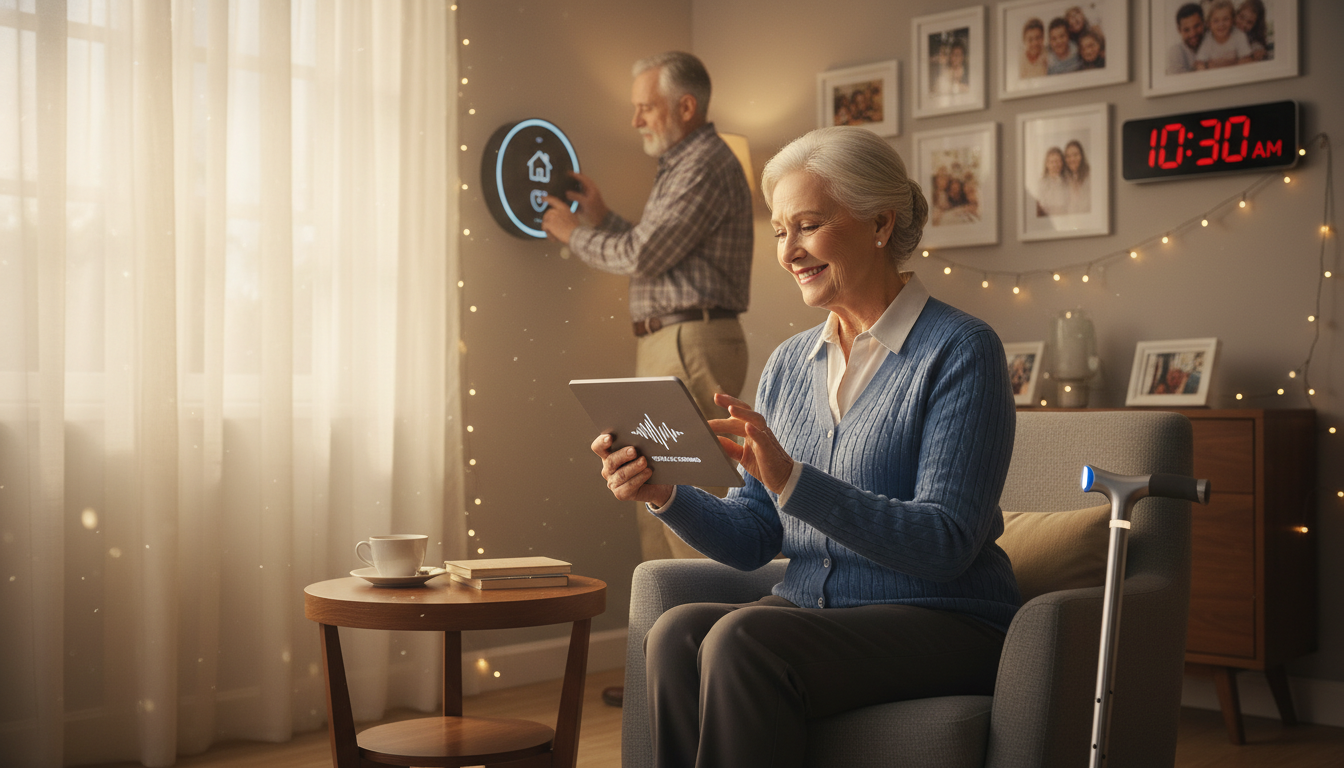
How assistive technology quietly restores independence in daily routines
Imagine starting your day with confidence, knowing you can handle your routine on your own. For many older adults, this sense of self-reliance is made possible by innovative tools. These adaptive devices help bridge gaps in ability, allowing you to perform daily tasks with greater ease and safety.
According to the World Health Organization, over 2.5 billion people worldwide already use these helpful tools. That number continues to grow as the global population ages. This trend highlights the increasing importance of solutions that support living independently at home.
This support extends far beyond traditional aids like canes. Modern devices offer sophisticated help for virtually every aspect of your life, from personal care to home management. They work quietly in the background, restoring dignity and autonomy without the need for constant help.
The right tools provide peace of mind for you and your family. They reduce the risk of injury and build confidence. This guide will show you how these comprehensive solutions address common challenges, helping you maintain your quality of life.
Understanding Assistive Technology for Reduced Mobility Seniors
When routine activities become difficult, specialized equipment can make all the difference. These tools help bridge gaps in your ability to perform daily tasks like dressing, personal hygiene, and moving around safely.
Various options exist to support your independence. They range from simple mechanical aids to advanced electronic systems.
| Device Category | Primary Purpose | Common Examples |
|---|---|---|
| Low-Tech Solutions | Basic physical support | Button hooks, reachers, dressing sticks |
| Mobility Aids | Safe movement assistance | Grab bars, bed handles, transfer benches |
| Electronic Devices | Memory and alert support | Medication reminders, emergency alert systems |
| Smart Home Technology | Voice-activated control | Automated lighting, voice assistants |
You might benefit from these tools if you experience challenges with balance or clothing fasteners. Difficulty getting in and out of bed or chairs is another common situation where help is valuable.
These solutions provide practical support for memory concerns or hearing changes. They work together to create a comprehensive system that maintains your quality of life.
The right equipment restores both capability and confidence. It allows you to maintain control over your daily routines with dignity.
The Impact of Mobility Challenges on Daily Routines
Simple movements you once took for granted can become significant hurdles as physical abilities change. These mobility challenges affect everything from dressing and bathing to preparing meals and moving through your home.
According to the Centers for Disease Control and Prevention, falls are the leading cause of injury for people 65 and older. This increased risk creates a cycle where fear of falling leads to less activity, which then weakens muscles and balance further.
When movement becomes difficult, you might find yourself confined to certain areas of your home. This limitation can mean missing out on social connections and activities you enjoy. The isolation that follows impacts both mental well-being and physical health.
Specific health changes compound these difficulties. Decreasing strength, arthritis, balance problems, and vision changes all work together to make daily tasks more challenging. What used to be simple routines now require careful planning and effort.
Addressing these mobility issues is critical for maintaining your independence and quality of life. The right support can break the cycle of decreased activity and help you engage more fully in your daily routines with greater confidence and safety.
Exploring Essential Assistive Devices
Focusing on individual needs, specialized devices address specific mobility and memory concerns effectively. These tools provide targeted support for particular challenges you may face in daily routines.
Rehabilitation Poles, Button Hooks, and Bed Handles
Rehabilitation poles offer an alternative to traditional walking aids. Each pole supports up to 225 pounds and provides superior stability for individuals with chronic pain.
Button hooks feature ergonomic designs that minimize stress on your fingers. They help with clothing fasteners if you experience arthritis or reduced dexterity.
Bed handles install easily between your mattress and box spring. They provide secure support up to 300 pounds for safe transitions in and out of bed.
Medical Alert Devices and Reminder Clocks
Medical alert systems feature urgent-response buttons you can wear in high-risk areas like the shower. They call for immediate help when pushed.
Reminder clocks use voice-control capabilities for those with memory challenges. You can record up to 25 personalized reminders in your own voice or a loved one’s.
Before selecting any equipment, consult your primary care physician. They may refer you to physical therapy for proper assessment and guidance.
Enhancing Home Safety with Grab Bars and Railings
Strategic safety upgrades transform your living environment, preventing accidents before they happen. Proper support fixtures provide immediate stability when you need it most.
These modifications create a comprehensive system that reduces fall risk throughout your living space. They work together to maintain your confidence during daily movements.
Bathroom Safety Features and Non-Slip Installations
The bathroom presents the highest slip hazard in your home. Install grab bars near toilets, tubs, and showers for secure support.
You can purchase these safety bars at local hardware stores. Proper installation ensures they bear weight effectively when needed.
Non-slip flooring and anti-slip tape create additional protection in wet areas. Cover all cords and wires to eliminate trip hazards completely.
Securing Stairways and Hallways
Railings on both sides of stairways provide balanced support during transitions. Hallways benefit from strategically placed grab bars for continuous stability.
Position rails at heights easily reachable whether standing or using a wheelchair. This ensures universal access for all mobility levels.
If you rent your property, discuss safety modifications with your landlord first. Many understand the importance of these preventive measures.
Adaptive Solutions for Bedroom and Bathroom Routines
Your most personal daily routines deserve thoughtful solutions that prioritize both safety and dignity. The bathroom presents unique challenges with its moisture-rich environment and complex movements.
Bathroom transfer systems allow you to remain seated while moving safely from toilet to shower. These versatile devices work with various shower formats including bathtubs and roll-in units.
Stable seating options like shower stools make bathing tasks less physically demanding. Raised toilet seats reduce the distance you need to lower yourself, addressing specific mobility needs.
In the bedroom, adjustable beds with height features simplify getting in and out safely. This specialized equipment provides secure support without requiring direct physical assistance.
These adaptive solutions restore your independence in intimate personal care routines. They maintain your privacy while ensuring safety during essential daily tasks.
Optimizing Home Accessibility
Effective home accessibility begins with eliminating potential hazards and rethinking your space arrangement. Comprehensive modifications create a safer environment that supports your daily routines.
Removing Trip Hazards and Adjusting Home Layout
Start by securing loose cords and installing non-slip flooring in high-traffic areas. Cover all wires to prevent accidental trips throughout your living space.
Check thresholds between rooms since raised flooring can create unexpected barriers. Even small height differences present significant safety issues.
Outdoor areas require similar attention. Inspect your porch and driveway for cracks that could cause falls. Ensure clear paths to essential locations like your mailbox.
Access ramps offer practical solutions for navigating stairs and edges. Permanent installations using wood or concrete provide stable support for long-term needs.
Portable ramps built from sturdy materials offer flexibility if you rent or plan to move. Both options address mobility challenges effectively.
These modifications create a comprehensive system that enhances your daily living experience. They work together to maintain independence throughout your home.
Technology That Bridges Communication and Alert Systems
Staying connected to help and managing daily information becomes simpler with specialized tools. These solutions provide a vital link to emergency services and loved ones. They also help you handle everyday challenges like hearing the television or remembering appointments.
This support ensures you can live independently with greater confidence. Help is always available when you need it most.
Wearable Alert Devices and Voice-Activated Reminders
Wearable alert devices feature a button you press to call for immediate help. You can wear them around your neck or clip them to clothing. Many are waterproof for use in high-risk areas like the shower.
Advanced systems can even detect falls automatically. They contact emergency services and your registered family members.
Voice-controlled clocks let you record personalized reminders in a familiar voice. This helps you remember medications and daily tasks without relying on written notes.
Wireless TV headphones connect directly to your television. They amplify dialogue clearly and can also function as a hearing aid for conversations.
| System Type | Primary Function | Key Benefit |
|---|---|---|
| Personal Emergency Response | Immediate help summoning | 24/7 connection to emergency services |
| Voice-Activated Reminders | Memory and task support | Hands-free schedule management |
| Amplified Listening Devices | Enhanced audio clarity | Improved television and conversation comprehension |
These communication tools work together to create a safety net. They provide peace of mind for you and your family.
Innovative Mobility Aids in Everyday Life
Modern mobility solutions transform how you navigate your world, offering unprecedented freedom in daily activities. These innovative tools adapt to various terrains and individual requirements, providing customized support where you need it most.
Wheelchairs represent one of the most versatile mobility aids available today. You can choose from self-propelled manual models to motorized versions with reclining features. All-terrain designs offer additional neck support and specialized configurations for different physical needs.
Chair lifts install directly on your existing furniture like recliners and sofas. These stand-assist devices provide manual lifting support when joint pain makes standing difficult. They offer safe transitions without requiring physical assistance from others.
Stair lifts create essential access for multi-story homes. Fixed to your stairwell, they provide either seating or wheelchair platforms for secure transportation between floors. This equipment maintains your independence throughout your entire living space.
The right combination of mobility aids allows you to maintain an active life. These tools work together to minimize physical strain while maximizing support. They represent customizable solutions rather than one-size-fits-all approaches.
These advanced mobility aids incorporate ergonomic design and smart technology. They restore your ability to move freely at home and in your community. This support enables participation in activities that would otherwise be challenging.
Leveraging Smart Home Assistants for Added Support
Hands-free control of your home’s features provides immediate access without movement limitations. Smart assistants like Google Home, Amazon Alexa, and Apple’s HomePod Mini respond to voice commands for managing lights, temperature, and security.
These devices offer screen-free operation for daily information needs. You can check weather forecasts, hear news updates, and control entertainment with simple spoken requests.
Voice-Controlled Devices and Automated Home Systems
The integration level depends on your existing smart home fixtures. More connected devices create comprehensive automation throughout your living space.
Personal devices like iPhones include built-in accessibility features. Voice controls help dictate messages and search information completely hands-free. Facial recognition provides secure unlocking without physical interaction.
| Smart Assistant | Primary Functions | Integration Capabilities |
|---|---|---|
| Google Home | Voice commands, information access | Works with Google ecosystem devices |
| Amazon Alexa | Home control, shopping, entertainment | Compatible with thousands of smart devices |
| Apple HomePod | Music, home automation, Siri integration | Seamless connection with Apple products |
This technology eliminates reaching for switches or adjusting thermostats manually. The systems provide reliable assistance for daily tasks while maintaining your independence.
Integrating Robot Vacuum Cleaners into Daily Routines
Robot vacuum cleaners offer more than just convenience—they provide essential support for maintaining a clean home environment. These automated tools handle floor cleaning without requiring your physical effort.
This advanced technology scans your floors systematically. It cleans carpets, tiles, and hardwood surfaces effectively. The device navigates around furniture and obstacles with precision.
After completing its cleaning cycle, the vacuum returns automatically to its charging dock. This autonomous operation means you don’t need to intervene or monitor the process.
Integrating this tool into your routine eliminates one of the more demanding household tasks. You conserve energy for activities you enjoy while maintaining clean floors.
These cleaning devices contribute to a safer living space by removing dust and debris. Clean floors reduce slipping hazards and support better air quality.
The practical benefits extend beyond the initial novelty factor. This equipment supports your independence in daily life by handling strenuous chores automatically.
Embracing Assistive Devices for Kitchen and Meal Preparation
Preparing meals should be an enjoyable activity rather than a challenging chore. Targeted kitchen aids make this possible regardless of physical limitations.
These practical solutions address common difficulties you might encounter during food preparation. They transform kitchen work into manageable routines.
Jar Openers and Spill-Proof Kitchen Tools
Geriatrics expert Dr. Shilpa Amin recommends the BagTeck Jar Opener for its multipurpose design. This device reduces strain when gripping and opening stubborn containers.
Spill-proof plates like the Providence Scoop Plates create mess-free eating experiences. They’re particularly helpful for individuals with hand tremors or decreased dexterity.
Kitchen stools provide comfortable seating that lets you perform cooking tasks while sitting down. This arrangement reduces fatigue and makes meal preparation more accessible.
Protective equipment like Promifun finger guards slip easily onto your fingers. They shield your hands from injury during food chopping activities.
These specialized tools work together to make the entire cooking process safer. They maintain your ability to prepare nutritious meals independently.
Adapting to Changing Needs with Versatile Assistive Tools>
Investing in adaptable solutions ensures your daily support tools grow with you as your requirements change. This forward-thinking approach prevents the frustration of outgrowing equipment too quickly.
Dr. Shilpa Amin recommends choosing devices that adjust or modify over time. Some technologies feature modular components for customization as your needs evolve.
When exploring equipment options, consider cost, insurance coverage, and longevity. Adaptability to changing needs and ongoing support are equally important factors.
Versatile tools reduce the need for frequent replacements. This saves money and minimizes the learning curve associated with new devices.
Understanding financial implications and upgrade processes prepares you for the long-term journey. Many people find that adaptable equipment provides continuous support through various physical challenges.
This strategic approach to selecting assistive equipment ensures your investment remains valuable for years. It maintains your independence as your situation develops.
Support and Care Options for Families and Seniors
Many organizations exist specifically to help bridge the gap between need and affordability for daily living aids. These community resources provide various support and care options to help people maintain their independence.
Local groups often supply certain equipment at no cost. Their goal is helping older adults continue living safely at home longer. You may need a needs assessment to qualify for this assistance.
Navigating Funding and Insurance Coverage
Medicare Part B covers specific durable medical equipment after you meet your deductible. Covered items include canes, walkers, wheelchairs, and hospital beds. You then pay 20% of the approved amount.
Always work with Medicare-enrolled suppliers for covered devices. Using non-participating providers could mean paying full price. This careful approach ensures you receive proper financial support.
Dr. Amin recommends consulting patient advocates or social workers. These professionals help navigate the complex insurance process. They guide you toward the right care options for your situation.
While not all equipment qualifies for coverage, multiple funding options exist. Exploring these resources opens doors to essential support systems. The right guidance makes these care options more accessible.
Expert Advice on Selecting the Right Devices
Expert consultation transforms the process of selecting supportive devices from guesswork to precision. Healthcare professionals offer personalized guidance based on your specific situation.
Dr. Shilpa Amin emphasizes consulting occupational therapists or specialists. These experts assess your requirements and recommend the most appropriate solutions.
Consulting with Healthcare and Occupational Therapists
Schedule an appointment with your primary care physician before making purchases. They evaluate your health status and determine what equipment suits your needs.
Your doctor may refer you to physical therapy for specialized assessment. Professionals examine your daily activities and instrumental tasks for proper context.
This comprehensive approach ensures you receive devices that truly support your independence. It prevents frustration from purchasing items that don’t match your requirements.
| Professional Type | Assessment Focus | Key Benefits |
|---|---|---|
| Primary Care Physician | Overall health evaluation | Initial screening and referrals |
| Occupational Therapist | Daily activity analysis | Device recommendations and training |
| Physical Therapist | Mobility assessment | Movement safety and equipment fit |
Vendors should provide adequate training on device usage and troubleshooting. This support ensures you can use your equipment safely and effectively.
Many individuals find that expert advice creates comprehensive support networks. It connects people with community resources beyond just prescribing devices.
Future Trends in Assistive Technology
Tomorrow’s innovations promise to revolutionize how people approach daily challenges with enhanced tools. The World Health Organization predicts growing usage as populations age worldwide.
These advancements will transform independent living for older adults. They offer smarter solutions for daily routines.
Emerging Innovations and Upgrades in Assistive Devices
Artificial intelligence integration creates devices that learn your patterns. Advanced sensors detect changes in movement and balance.
Sophisticated robotics provide more natural support during activities. These technologies adapt in real-time to your needs.
Technology Advancements Shaping Daily Independence
Improved battery life extends device operation significantly. Connectivity features integrate tools into smart home ecosystems.
Devices become more intuitive and responsive to individual requirements. This creates personalized solutions for quality living.
| Innovation Category | Key Features | Impact on Daily Life |
|---|---|---|
| AI-Powered Devices | Pattern learning, predictive assistance | Proactive support before challenges arise |
| Advanced Sensors | Real-time monitoring, fall detection | Enhanced safety and immediate response |
| Smart Connectivity | Ecosystem integration, remote monitoring | Comprehensive home management system |
| Battery Technology | Longer life, wireless charging | Reduced maintenance and constant readiness |
Dr. Amin advises staying informed about new technologies. Research product durability and warranty periods carefully.
Consider maintenance requirements when evaluating innovations. This ensures your investment supports long-term independence.
Conclusion
Thoughtful equipment selection can transform daily challenges into manageable routines. The right supportive tools work quietly to preserve your autonomy and confidence.
From bathroom safety features to kitchen aids, these solutions address various needs. They help maintain independence while providing peace of mind for families.
Consult healthcare professionals to choose appropriate devices. Explore funding options and research available equipment.
These supportive solutions continue evolving to enhance lives. They empower individuals to live comfortably at home longer.
FAQ
What are some simple tools that can help with getting dressed?
How can I make my bathroom safer to prevent falls?
What is a medical alert system, and how does it work?
Are there devices to help with medication management?
Can technology help if I have trouble hearing the doorbell or phone?
What types of mobility aids are best for use inside the home?
How can a smart home assistant like Amazon Alexa help me?

Dan Alex is the founder and lead writer at Apps for Download, focused on translating digital literacy and accessibility topics into clear, jargon-free guidance for older adults and their families. Every guide is researched against reputable sources on digital safety and assistive technology rather than presented as personal expertise alone.