
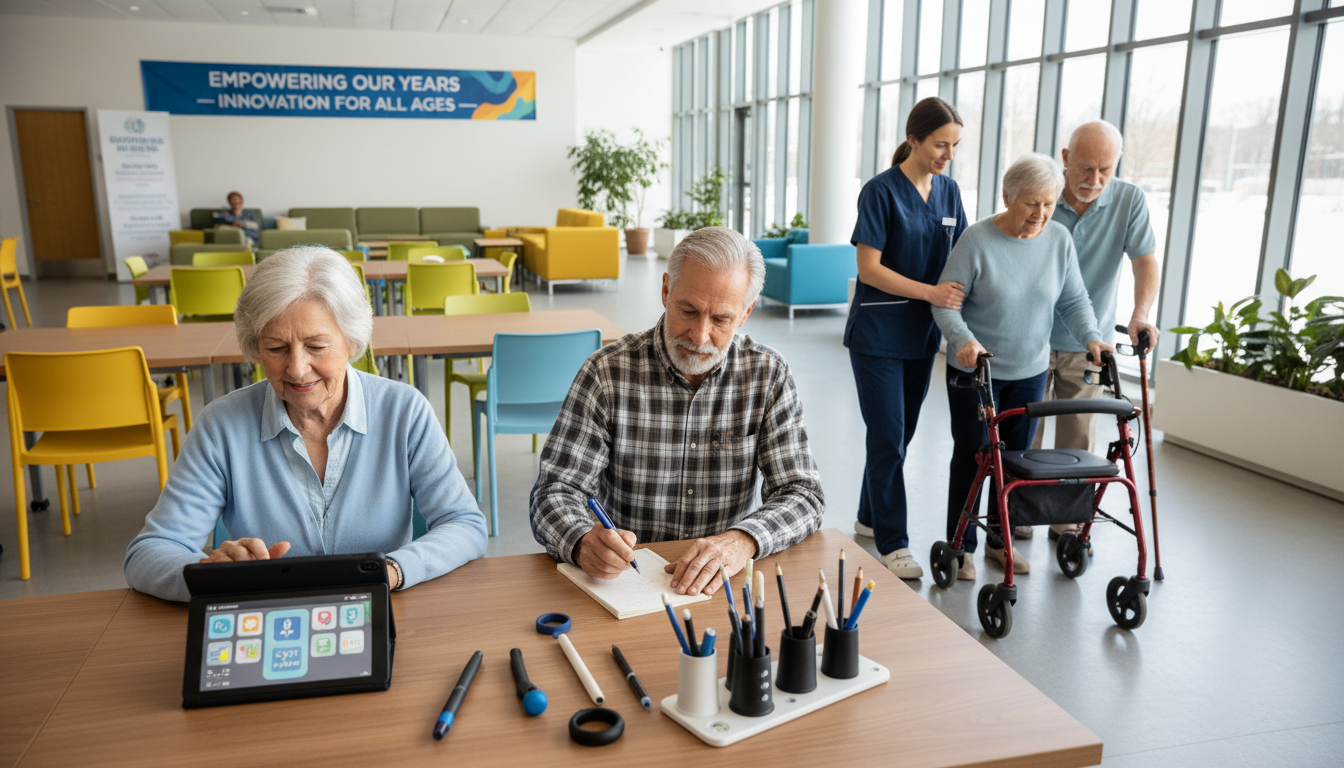
Accessibility tools designed for real age-related challenges—not ideal users
Getting older brings unique changes to your body and mind. You might notice your strength isn’t what it used to be, or that small tasks require more effort. These are real, everyday experiences that many people share.
Over 2.5 billion individuals across the globe use some form of assistive device. This number is growing as our population ages. It shows a clear, widespread need for practical support.
Common challenges include arthritis, changes in vision, hearing loss, and memory difficulties. These can make daily living more complex. The right supportive technology is designed with these specific situations in mind.
This guide provides factual information about the various options available. You will learn how different solutions work in real-world settings. The goal is to help you make informed choices that match your specific needs.
Using the right aids is about more than just help. It’s about maintaining your independence and safety. The proper support allows you to continue living on your own terms with dignity.
Understanding what is available empowers you. It can significantly improve your quality of life. This knowledge helps extend your ability to live comfortably and independently at home.
Introduction to Assistive Technology for Older Adults
Living independently becomes more achievable with the right technological support tailored to individual needs. This guide explores how modern solutions can enhance your daily experience.
Understanding the Importance of Adaptation
Adaptation through strategic support is about empowerment, not limitation. It helps you maintain the activities that matter most in your life.
Using appropriate devices can significantly boost your confidence and safety. The right choices support your continued autonomy at home.
Overview of Age-Related Challenges
Many individuals experience changes that affect daily routines. Common conditions include arthritis, vision changes, and memory concerns.
These situations can impact your ability to perform familiar tasks. Fortunately, various solutions exist to address these specific needs effectively.
| Common Challenge | Daily Impact | Assistive Solution | Key Benefit |
|---|---|---|---|
| Reduced mobility | Difficulty walking or standing | Walkers and grab bars | Enhanced stability and safety |
| Vision changes | Trouble reading or seeing details | Magnifiers and audio books | Maintained reading enjoyment |
| Memory concerns | Forgetting medications or appointments | Digital reminders and pill organizers | Reliable routine management |
| Arthritis pain | Difficulty with grip and manipulation | Adaptive utensils and tools | Reduced discomfort during tasks |
Understanding these options helps you make informed decisions about your living situation. The proper support enhances your quality of life significantly.
How Accessibility Tools for Age-Related Impairments Empower You
Modern assistive solutions are designed to work with your current abilities, not against the changes you’re experiencing. They address your specific needs by building on what you can do well.
Defining Supportive Solutions
These specialized products and systems help people overcome daily obstacles. They focus on real situations you encounter rather than theoretical problems.
Each person has unique requirements. The right device provides practical assistance that matches your individual circumstances perfectly.
Key Benefits in Daily Living
You gain significant advantages when using appropriate supportive devices. They enhance multiple areas of your life through practical assistance.
The way these solutions work creates meaningful improvements. You experience better health management through organized medication systems. Communication aids maintain your social connections effectively.
Mobility supports increase your safety and confidence at home. These devices help reduce injury risks while preserving your independence. They allow you to perform personal tasks with dignity and comfort.
Proper supportive technology compensates for specific challenges. It leverages your remaining strengths to maintain your preferred lifestyle successfully.
Overview of Different Types of Assistive Devices
The market offers diverse solutions that can help maintain your independence through practical support. Understanding these different categories empowers you to select the right equipment for your specific situation.
These various types of supportive equipment work together to address multiple challenges. You can create a comprehensive system tailored to your unique combination of needs.
Mobility and Stability Aids
Mobility aids help you move safely around your home and community. Options include canes, walkers, rollators, and manual wheelchairs.
Stability equipment like grab bars and bed rails provide additional security. These devices reduce fall risks while supporting confident movement.
Communication, Vision, and Memory Supports
Communication aids keep you connected with loved ones. Accessible mobile phones with simplified interfaces make calling easier.
Vision supports include screen readers and magnification applications. These help you continue reading and using technology comfortably.
Memory devices like automatic pill dispensers organize medication schedules. They provide reliable reminders for important daily tasks.
Enhancing Home Safety and Security with Assistive Technology
Your home should be your safest place, and modern technology can help ensure it stays that way. These supportive products create a secure environment that allows you to live confidently.
They address potential risks while preserving your independence. This approach provides significant peace of mind for you and your family.
Smart Alarms and Telecare Systems
Wearable personal alarms connect you to help instantly. With a simple button press, these small pendants alert contacts or monitoring teams.
Telecare systems use sensors to detect unusual activity patterns. They notice if you haven’t gotten out of bed or left a door open.
GPS trackers help caregivers locate you if needed. These devices offer crucial support for individuals who may wander.
Home Modifications for Independent Living
Smart lighting products automatically illuminate pathways at night. Simple plug-in lights reduce fall risks in dark areas.
Security devices like smart doorbells let you monitor visitors. Specialized smoke alarms provide extra safety for hearing changes.
Physical modifications include grab bars and widened doorways. These changes work with technology to create a comprehensive safety system.
Innovations in Assistive Technologies and Devices
The landscape of supportive products is constantly evolving with exciting new innovations. These advancements offer more intuitive and powerful ways to manage daily life.
Modern electronic solutions provide sophisticated support. They leverage advances in computing and connectivity.
Emerging Gadgets and Electronic Solutions
Voice recognition allows you to control devices and create written text through speech. This is helpful if typing is difficult.
Eye-tracking systems let you operate a computer using only your gaze. This represents cutting-edge technology for severe mobility challenges.
Augmentative communication systems now have more natural-sounding voices. They help you communicate effectively.
| Innovation Category | Example Product | Primary Benefit |
|---|---|---|
| Voice Control | Voice-to-text software | Hands-free device operation |
| Alternative Input | Sip-and-puff system | Control via breath |
| Reading Support | Automatic page turner | Hands-free reading |
| Communication | Advanced AAC device | Customizable, natural speech |
Trends in Sensor and Monitoring Technology
Internet of Things (IoT) devices create smart, connected environments in your home. Your various assistive technologies can work together seamlessly.
Sensor technology includes discreet motion detectors and advanced fall alert systems. These provide an extra layer of safety and peace of mind.
Wearable health monitors track vital signs and send data to your phone. Medication dispensers can also send you a text reminder.
Hearing aids with Bluetooth connect directly to your phone and television. Vision assistance products feature better screen magnification and text-to-speech readers.
Important Considerations When Choosing Assistive Technology
Making informed decisions about supportive devices involves evaluating both immediate requirements and future needs. This process ensures you select equipment that provides lasting value and proper assistance.
Evaluating Your Specific Needs and Limitations
Begin by assessing your current abilities with healthcare professionals. They can help identify which devices will address your specific issues effectively.
Dr. Shilpa Amin recommends considering multiple factors when selecting equipment. These include cost, insurance coverage, and the device’s adaptability to changing needs.
Think about how your situation might evolve over time. Choosing versatile equipment now can prevent costly replacements later.
Funding, Insurance, and Medicare Coverage
Research funding options thoroughly before making any purchases. Many programs offer financial assistance for necessary equipment.
Check your insurance policy for coverage details. Some plans require prior authorization for certain devices and services.
Explore Medicare and Medicaid options for eligible individuals. State-funded initiatives may also provide support based on your specific needs.
| Consideration | Key Questions | Recommended Action | Potential Benefit |
|---|---|---|---|
| Cost Analysis | What is the total price including maintenance? | Compare prices and research second-hand options | Budget-friendly solutions |
| Insurance Coverage | Does my plan cover this specific device? | Review policy details and authorization requirements | Reduced out-of-pocket expenses |
| Longevity Assessment | How long will this equipment remain useful? | Research product durability and warranty periods | Long-term value and reliability |
| Adaptability Planning | Can this device adjust to changing needs? | Choose modular or adjustable equipment | Extended usefulness over time |
| Support Services | What ongoing assistance is available? | Inquire about maintenance and repair services | Continuous operational support |
Taking time to research these aspects ensures you make the best choice for your situation. Proper planning leads to equipment that provides meaningful assistance when you need it most.
Practical Advice for Integrating Assistive Devices into Daily Life
Making supportive devices part of your everyday life involves more than just purchasing the right equipment. Proper integration requires thoughtful planning and professional guidance to ensure success.
Tips for Gradual Adoption and Training
Dr. Shilpa Amin’s expert advice emphasizes adding one device at a time. This approach gives you sufficient time to master each tool before introducing another.
Taking time to understand how each device works in your specific routine prevents frustration. It also reduces the risk of investing in equipment you won’t use long-term.
Ensure manufacturers provide proper training on device operation. This help ensures safety and effectiveness in your daily activities.
Working with Healthcare and Support Professionals
Consult your primary care provider for personalized recommendations. They can assess your needs and connect you with relevant resources.
Healthcare professionals evaluate both basic and instrumental daily living activities. This comprehensive assessment identifies areas where devices can provide the most help.
Consider working with patient advocates or occupational therapists. These professionals offer valuable support in selecting the right equipment for your situation.
| Integration Strategy | Key Benefit | Recommended Time Frame |
|---|---|---|
| One device at a time | Reduces overwhelm and builds confidence | 2-4 weeks per device |
| Professional assessment | Identifies specific needs accurately | Before purchase decisions |
| Comprehensive training | Ensures proper and safe usage | During initial setup period |
| Regular follow-up | Addresses issues and adjusts approach | Monthly for first 3 months |
Expert Insights and Real-World Applications
Professional guidance combined with practical applications shows the powerful impact of well-chosen assistive solutions. Dr. Shilpa Amin, MD, CAQ, FAAFP, an ABMS board-certified physician and geriatrics expert, provides valuable recommendations throughout this guide.
Case Studies and Success Stories
Real-world examples demonstrate how these solutions help people in diverse situations. Someone living with dementia can maintain independence using GPS trackers and medication dispensers.
Stroke survivors benefit from speech generating devices that restore communication abilities. People with vision challenges use screen readers to navigate technology effectively.
These success stories show meaningful improvements in daily activities. Proper support creates lasting positive changes for individuals and families.
Professional Recommendations and Best Practices
Experts emphasize gradual adoption of new technologies. Receive proper training and work closely with healthcare providers.
For hearing needs, consider coordinated systems including modern hearing aids. People with low vision benefit from reading aids and screen adjustments.
Choose adaptable equipment that can grow with your changing needs. Active participation in selection leads to better outcomes and satisfaction.
Resources and Further Information on Assistive Tools
Numerous organizations and websites offer comprehensive guides to help you navigate the world of supportive products. These resources provide essential information for making informed decisions about the equipment that best suits your needs.
Trusted Government and Community Resources
The Medicare website allows you to search for enrolled suppliers in your area. Simply enter your zip code and the type of equipment you need.
Your local Area Agency on Aging provides valuable services including daily living assessments. This assistance helps determine eligibility for government support programs.
Vendor and Product Guides
Ability Hub offers detailed information on adaptive equipment and computer access alternatives. Their website covers various solutions from AAC systems to text-to-speech readers.
Vendor websites like AdaptiveMall.com and Enabling Devices provide extensive product guides. These resources help with shopping for specific aids through detailed text descriptions and comparison charts.
Mobility Express specializes in mobility equipment and home modifications. Their website features products ranging from stairlifts to wheelchair-accessible vans.
| Resource Type | Key Features | Contact Method | Primary Focus |
|---|---|---|---|
| Government Agencies | Funding guidance, eligibility assessments | Website search tools, local offices | Financial assistance programs |
| Community Organizations | Local services, support networks | Phone support, in-person meetings | Personalized assistance |
| Vendor Websites | Product comparisons, customer reviews | Online shopping, customer service | Equipment selection and purchase |
| Information Portals | Educational content, resource directories | Web pages, downloadable guides | Comprehensive research materials |
Most reputable vendors offer phone support for personalized shopping guidance. Product pages typically include specification sheets and instructional videos to help you understand each device.
Conclusion
Finding the right supportive equipment can transform your daily experience by addressing specific challenges you encounter. These solutions are designed to help you maintain your independence and continue living life on your terms.
The right devices help you overcome limitations in mobility, vision, and hearing. They support your ability to perform important activities safely at home.
Choosing equipment that matches your unique needs is crucial. This guide has provided the information to make informed decisions about the various types of products available.
Taking action empowers you. With the proper support, you can enhance your safety and continue enjoying the activities you value most.
FAQ
What are some examples of simple assistive devices that can help with low vision?
How can technology help if I have trouble with my memory or hearing?
Are there devices to help me move around my home more safely?
Will my insurance or Medicare cover the cost of this equipment?
What is the best way to get started with using new assistive technology?
Where can I find reliable information and reviews about different products?

Dan Alex is the founder and lead writer at Apps for Download, focused on translating digital literacy and accessibility topics into clear, jargon-free guidance for older adults and their families. Every guide is researched against reputable sources on digital safety and assistive technology rather than presented as personal expertise alone.