
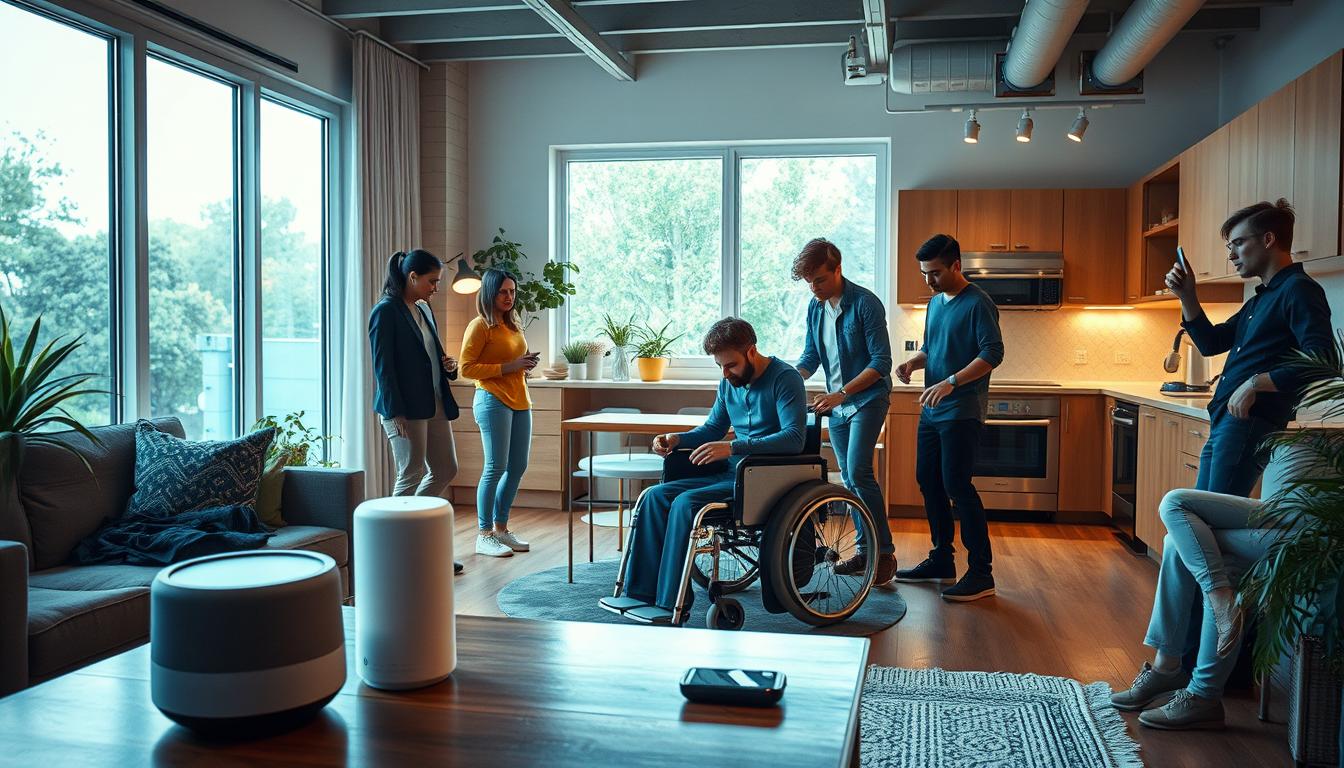
Accessibility Tools That Support Independent Living
Imagine staying in the home you love, managing your daily routine with confidence. For many people with disabilities, this vision is a reality thanks to modern solutions. These innovations help overcome challenges and foster a greater sense of control over your life.
This support often comes from a field known as assistive technology. It’s not just complex gadgets; it’s any item or system that helps individuals complete tasks more easily. From simple adaptations to smart home devices, this technology provides crucial support for a wide range of activities.
You might already use assistive technology without realizing it. Your smartphone’s voice commands or a jar opener are common examples. The goal is to find the right tools that meet your specific needs, making daily living safer and more comfortable.
The right resources can help you maintain your independence and stay connected to your community. It’s about empowering people to live life on their own terms. With the proper support, achieving this goal is more possible than ever.
Key Takeaways
- Modern solutions empower you to live confidently in your own home.
- Assistive technology includes both simple and advanced devices.
- Many everyday items you already use can be considered assistive technology.
- These tools are designed to meet your specific needs for safety and comfort.
- Staying connected to your community is a key benefit of using these supports.
- Finding the right tools can help you maintain a strong sense of independence.
- Numerous resources are available to help you identify and acquire helpful technology.
Top accessibility tools for independent living
You have access to remarkable resources that can revolutionize how you manage your personal space. These solutions span from simple adaptations to advanced systems designed for specific needs.
Understanding Assistive Technology
Assistive technology encompasses a wide range of devices and equipment. These include hearing aids, mobility aids like wheelchairs, and vehicle modifications such as hand controls.
Practical home equipment includes grab bars for safety and adaptive tools for bathing. Software modifications help people with visual or hearing challenges use technology effectively.
Communication devices give individuals with speech disabilities a voice to express themselves. This allows full participation in work and social activities.
How These Tools Empower Your Daily Life
These technologies help you complete daily living tasks with greater confidence. They transform challenging activities into manageable routines.
State AT Act programs offer valuable services in your area. You can try equipment before purchasing through demonstration programs.
Reuse programs provide gently used devices at affordable prices. Financing options make these essential technologies accessible regardless of budget.
Understanding available options helps you identify the right devices for your unique situation. This knowledge supports maintaining control in your chosen place.
Innovative technology and smart home solutions
Cutting-edge home automation systems offer new levels of autonomy for individuals with mobility challenges. These digital solutions integrate seamlessly into your daily routine.
Modern systems work together to create a supportive environment. They adapt to your specific needs and preferences.
Voice-Activated Devices and Mobile Apps
Voice assistants like Amazon Alexa and Google Assistant put complete control at your command. You can manage lights, thermostats, and security systems using simple voice prompts.
Mobile apps extend this control to your smartphone or tablet. The WHILL Model C2 smart wheelchair demonstrates how app-based controls enhance mobility.
Navigation apps like Wheelmap help you plan accessible routes. This technology supports confident community participation.
Remote Monitoring and Health Tracking
Wearable devices provide continuous health monitoring. Smartwatches track heart rate, sleep patterns, and activity levels.
Fall detection systems offer crucial safety features. Devices like Apple Watch can automatically alert emergency contacts.
Telehealth platforms bring medical care directly to your home. Remote monitoring systems track vital signs and alert healthcare providers when needed.
| Technology Type | Key Features | Primary Benefits | Example Products |
|---|---|---|---|
| Voice Control Systems | Hands-free operation, custom commands | Environmental control, reduced physical effort | Amazon Echo, Google Nest |
| Health Monitoring | Vital sign tracking, emergency alerts | Peace of mind, proactive care management | Apple Watch, Life Alert |
| Mobility Solutions | App integration, navigation support | Enhanced movement, community access | WHILL Model C2, Wheelmap app |
Home modifications, safety, and adaptive equipment
Thoughtful adaptations to your living quarters provide the foundation for confident daily functioning and personal security. These changes range from simple adjustments to comprehensive systems that work together seamlessly.
Environmental Control Systems & Communication Aids
Modern communication aids give voice to those with speech challenges. Augmentative devices like tablets with specialized apps help you express needs clearly.
Speech-generating systems such as Tobii Dynavox enable effective interaction with family and caregivers. These solutions bridge communication gaps that might otherwise limit social participation.
| Equipment Type | Primary Function | Key Benefits |
|---|---|---|
| Communication Tablets | Voice output and symbol-based communication | Enhanced social interaction, reduced frustration |
| Speech Generating Devices | Text-to-speech conversion | Clear expression of complex thoughts and needs |
| Environmental Controls | Remote operation of home systems | Reduced physical effort, increased autonomy |
Safety Devices and Emergency Alert Tools
Security systems with sensors detect smoke, gas leaks, or unauthorized entry. These provide crucial protection for people with disabilities living alone.
Wearable GPS trackers offer peace of mind for both you and your caregivers. Emergency alert systems feature one-touch activation for immediate assistance.
Smart medication dispensers and adaptive utensils support daily tasks with greater independence. These practical aids make routine activities more manageable.
Conclusion
Building a life of autonomy and confidence is within reach through thoughtful technological solutions. These innovations empower you to manage daily activities with greater ease and dignity.
Government programs provide valuable support for obtaining helpful devices. New York’s TRAID Program offers free assistive technology, while Medicaid covers medically necessary equipment.
Resources like the Administration for Community Living help connect you with local services. The AT3 Center website provides state-specific information to match your unique needs.
Take the next step by consulting healthcare providers about beneficial devices. Explore options that resonate with your personal goals for maintaining control in your chosen place.
Remember that proper technological support enhances your quality of life and connection to community. You deserve to live with the dignity and freedom these solutions provide.