
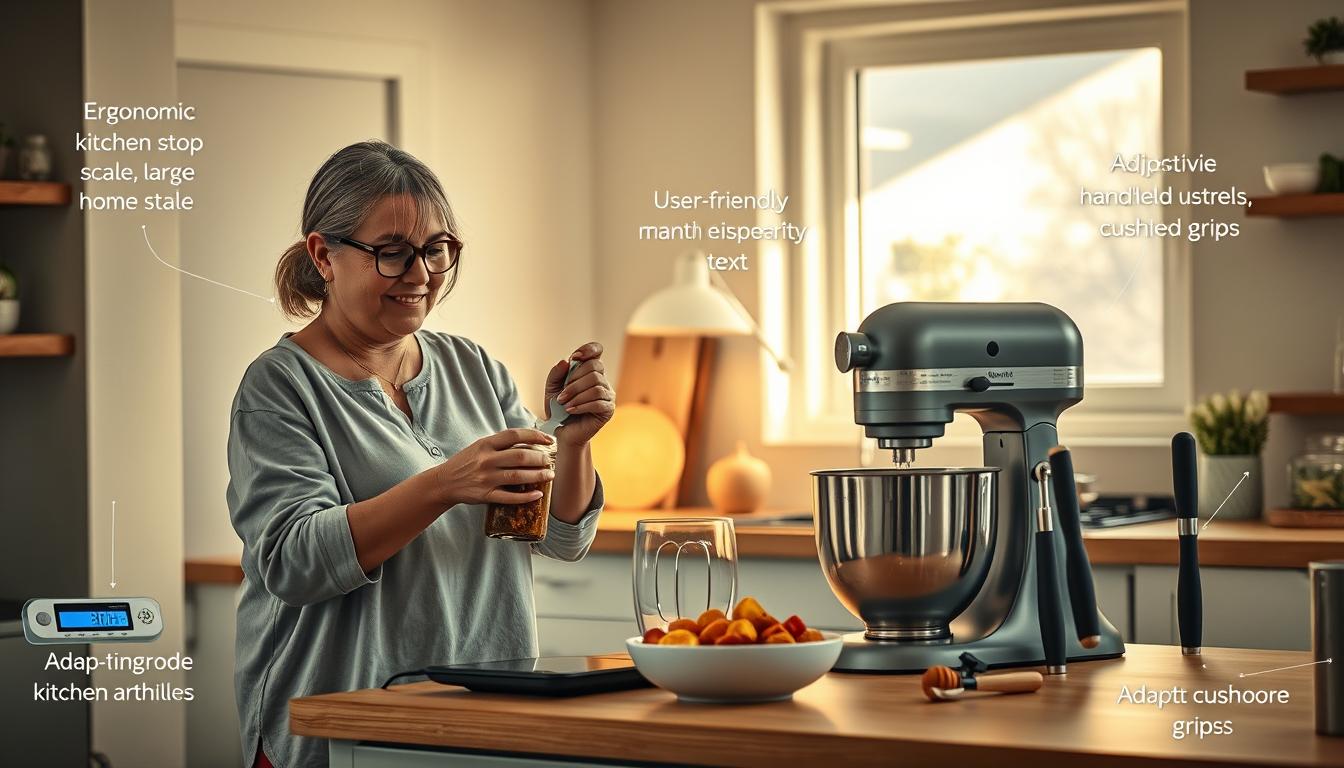
Arthritis-Friendly Smart Home Tools That Reduce Pain During Daily Tasks
Living with arthritis can make everyday activities challenging. More than 54 million adults in the United States face this condition. Simple tasks become difficult and painful.
This guide explores innovative solutions designed to help you maintain independence. These devices reduce discomfort during your daily routine. They address both physical limitations and psychological well-being.
Physical therapist Tom Ryan emphasizes their importance. “These tools are critically important for people with arthritis,” he states. They help lessen strain on damaged joints and improve comfort.
Whether you have rheumatoid arthritis, osteoarthritis, or other forms, you’ll find practical solutions. Each product has proven effectiveness based on expert opinions and user reviews.
Key Takeaways
- Over 54 million American adults live with some form of arthritis
- Smart tools can significantly reduce pain during daily activities
- These devices help maintain independence and improve quality of life
- Products are selected based on expert recommendations and user feedback
- Solutions exist for various types of arthritis conditions
- Tools address both physical challenges and emotional well-being
- Proper selection can make everyday tasks more manageable
Introduction: Embracing Arthritis-Friendly Home Tech Solutions
The growing prevalence of degenerative joint diseases has sparked remarkable innovation in assistive devices. Over 54 million adults and 300,000 children in the United States manage some form of arthritis. This significant number drives continuous improvement in supportive tools.
Creative minds have developed numerous products to simplify daily living. The marketplace now offers both traditional aids and cutting-edge arthritis-friendly home tech. These solutions address challenges from morning routines to evening tasks.
You can find options for every budget and need. Simple ergonomic handles help with gripping. Advanced systems automate household functions. This variety ensures you can maintain your preferred lifestyle.
Embracing these tools represents a smart approach to managing your condition. They provide practical support for maintaining independence and comfort. This proactive strategy helps you control your daily experience in meaningful ways.
Transforming Mealtimes with Adaptive Utensils
Eating with arthritis often means struggling with ordinary silverware. Adaptive utensils provide a practical solution with their wide, lightweight handles covered in comfortable rubber. These specialized forks, spoons, and knives create a secure no-slip experience.
Physical therapist Tom Ryan explains the biomechanical benefits. “Holding things in a tight grip forces joints to go to the end of their range of motion,” he notes. This action causes irritation, inflammation, and increased pain.
The design allows for a looser grip that reduces strain on finger and wrist joints. You maintain control during meals without forcing your hands into uncomfortable positions. This ergonomic approach helps prevent flare-ups during daily eating.
At approximately $13.95 for a set of four, these tools offer an affordable improvement. User Kathy reported dramatic changes after developing arthritis in her thumbs. “The handles and grips sure make a difference,” she shared about stopping constant silverware drops.
Most adaptive utensils are dishwasher-safe for easy cleaning. Their practical design transforms eating from a frustrating challenge into a comfortable activity. You can enjoy meals while focusing on food rather than pain.
Dressing Aids to Enhance Your Independence
The simple act of dressing yourself can transform from routine to ordeal when arthritis limits dexterity. Fastening clothing becomes a daily challenge that tests both physical ability and emotional resilience.
Specialized dressing tools provide practical solutions for maintaining your independence. They help you manage buttons, zippers, and other fasteners with minimal strain.
Vi&Vi PocketDresser Multi-Tool Features
This compact multi-tool serves as the Swiss Army knife of assistive devices. It features two sizes of button hooks, a zipper pull, and a shoelace hook all in one portable unit.
The tool comes with a stabilizing hand strap for better control. It folds neatly to fit in your pocket or purse. Physical therapist Tom Ryan notes there’s a learning curve, but persistence pays off.
One user with rheumatoid arthritis for 39 years praised the large button hook. “It works on jeans buttons and opened up my wardrobe choices,” she shared.
Royal Medical Solutions Dressing Stick Benefits
This 28-inch hooked stick helps you pull on sleeves and lift pants without painful bending. It provides leverage for motions that would otherwise cause discomfort.
Being able to dress yourself preserves dignity and maintains independence throughout your life. Users often combine it with grabber sticks for a comprehensive system.
The hook end lifts clothing while the other end helps push items off. This approach minimizes strain on your hands and joints during daily dressing routines.
Smart Kitchen Solutions for Joint-Friendly Cooking
The kitchen presents unique obstacles for those managing arthritis symptoms during food preparation. Simple tasks like opening jars or cans require significant hand strength and twisting motions. These actions often cause discomfort and can limit your ability to cook independently.
Specialized kitchen tools transform difficult tasks into manageable activities. They reduce strain on your joints while maintaining your cooking independence. The right equipment makes food preparation enjoyable rather than painful.
Kitchen Krush Multi Kitchen Tool Demonstration
The Kitchen Krush tool simplifies opening bottles, jars, and cans of all sizes. Priced at $14.70, this device addresses one of the most common kitchen challenges. Physical therapist Tom Ryan explains that jar opening involves more than just hand strength.
“It requires significant shoulder involvement to rotate your arm,” Ryan notes. Back muscles also work to stabilize the movement. This tool reduces strain across multiple joint groups.
One Amazon customer shared an emotional response after purchasing for her mother with rheumatoid arthritis. “She almost cried because she can finally open a bottle with ease!” This highlights the profound impact of regaining simple abilities.
Brix CanKey Ring Pull Can Opener Advantages
The Brix CanKey restores the pleasure of opening ring-top cans effortlessly. At just $5.36, this simple device works with beverages and food cans. Users appreciate the perfect arc angle for different can sizes.
The thin blade makes insertion simple, while the rounded handle provides ergonomic comfort. Customer Paul noted its effectiveness with both small and large cans of cat food. This tool lets you enjoy cold drinks at the end of a long day without struggle.
| Feature | Kitchen Krush Multi Tool | Brix CanKey Opener |
|---|---|---|
| Primary Function | Opens bottles, jars, and cans | Opens ring-top cans only |
| Price Point | $14.70 | $5.36 |
| Best For | Comprehensive kitchen tasks | Beverages and canned foods |
| User Feedback | Emotional relief from regained independence | Perfect for various can sizes |
These innovative tools demonstrate that arthritis doesn’t mean giving up cooking. They provide practical solutions for maintaining your lifestyle. Investing in the right equipment makes kitchen work manageable and enjoyable.
Accessorizing with Ease Using Ergonomic Jewelry Tools
Jewelry clasps present unexpected obstacles for people managing joint inflammation. Tiny fasteners require precise finger movements that become painful with arthritis. This challenge can make you avoid wearing your favorite accessories altogether.
The right tools can transform this frustrating experience. Specialized devices help you maintain your personal style without compromising comfort. They provide a practical solution for daily accessorizing.
Bracelet Magic Bracelet Fastener Overview
This innovative tool simplifies putting on bracelets and necklaces. Priced at $12.95, it features an ergonomic design that requires minimal hand strength. The device helps you hook clasps effortlessly.
Users report significant improvements in their daily routine. One person with rheumatoid arthritis shared their experience. “I was able to put my own bracelet on today after years of struggle,” they noted.
The product arrives with clear visual instructions for immediate use. Its durable construction ensures long-term reliability. This represents one effective way to maintain independence.
| Feature | Bracelet Magic Fastener | Traditional Clasps |
|---|---|---|
| Ease of Use | Minimal hand strength required | Precise finger movements needed |
| User Experience | Positive emotional impact | Frustrating and painful |
| Independence | Enables self-accessorizing | Often requires assistance |
This tool demonstrates that arthritis doesn’t have to limit your self-expression. Being able to accessorize independently improves quality of life. It helps you feel more like yourself despite physical challenges.
Streamlining Buttoning and Zipper Tasks
The struggle with small fasteners often reveals how many garments in your closet require precise hand movements. Simple daily tasks like buttoning shirts or managing zippers become significant challenges when arthritis affects your dexterity.
These routine activities occur multiple times throughout your day. From morning dressing to bathroom visits and bedtime preparation, each fastener interaction can cause discomfort.
Vive Button Hook and Zipper Pull Insights
The Vive combination tool addresses these challenges effectively. This pocket-sized device helps you manage buttons and zippers with minimal strain on your hands.
Priced at $10.49, this innovative tool represents an affordable solution. User Bill shares his experience with the device’s effectiveness.
“This button hook is such a great old idea reconfigured into a more user-friendly form,” he notes. “I bought a second one for my friend who has arthritis in his hands.”
The compact design means you can carry it wherever you go. You’ll never struggle with fasteners when away from your living space. This practical device restores your ability to wear your favorite clothing independently.
Quality zipper pulls and button aids make dressing manageable again. They transform frustrating tasks into simple routines you can complete confidently.
Building Safety with Grab Bars, Ramps, and Low-Barrier Entries
Strategic safety enhancements transform your living environment into a more accessible space for arthritis management. Preventing falls becomes crucial when joint limitations affect your stability. These modifications help you maintain independence while reducing injury risks.
Having at least one low-barrier entrance makes a significant difference in daily access. This eliminates the struggle with steps when joints are stiff or painful. Bilateral handrails provide support on both sides of staircases.
Adaptive Door Handles and Key Turners
Replacing round doorknobs with lever handles requires less gripping strength. This simple change eliminates the twisting motion that strains your hands. Push-button or Bluetooth locking systems remove key struggles entirely.
If you need traditional keys, add-ons create larger grasping points. These modifications make entering and exiting your space much easier. They represent practical solutions for frequent daily tasks.
Tips on Installing Grab Bars Effectively
Install grab bars on both sides of key entry points for optimal support. Vinyl-coated bars stay warmer in cool climates, unlike cold metal. This comfort matters when stiffness affects your joints.
Proper placement ensures you have grabbing points wherever needed. These bars provide stability during moments of uncertainty or discomfort. They’re essential safety features for people with mobility challenges.
| Safety Feature | Traditional Option | Modified Solution |
|---|---|---|
| Door Access | Round doorknobs requiring grip | Lever handles needing minimal force |
| Entry Points | Multiple steps at entrances | Low-barrier threshold doorways |
| Stair Support | Single handrail on one side | Bilateral handrails on both sides |
| Key Systems | Small keys requiring pinching | Key turners with larger grips |
These improvements represent smart investments in long-term safety. They enable you to continue living comfortably in your preferred space. Proper modifications make daily navigation safer and less stressful.
Mobility Enhancements: Support Tools for Walking and Standing
Walking and standing present unique challenges for individuals managing joint discomfort. These essential daily movements require reliable support to prevent pain and maintain independence.
Simple devices can dramatically improve your comfort during movement. They help you navigate your day with greater confidence and less strain.
Crutcheze Padded Hand Grips for Walkers
Standard walker handles often become painful and slippery during use. The Crutcheze slide-on pads provide a softer, more secure grip that reduces hand pressure.
Priced at $19.99 for a set of two, these pads transform walker comfort. One user with rheumatoid arthritis reported significant improvement after leg surgery.
“I was experiencing a lot of pain in my hands trying to use the walker,” they shared. “After ordering the Crutcheze Walker pads, the hand pain was virtually eliminated.”
Able Life Universal Stand Assist Functionality
Rising from seated positions requires substantial hip and knee mobility. The Able Life Stand Assist provides a sturdy handle that tucks neatly into most couches.
This $79 device gives you stable support when standing up. Its adjustable design ensures proper positioning for different furniture heights.
One reviewer noted their wife’s physical therapist was impressed by the device’s construction. The tool helps prevent falls while maintaining proper standing form.
These mobility tools work together to address different movement challenges. They help you maintain your activity level throughout the day despite arthritis limitations.
Bathroom Innovations: Tools for Ease and Independence
Simple modifications to your bathroom can dramatically increase your safety and independence. This room presents unique challenges for people with joint issues due to wet surfaces and tasks requiring balance.
Installing grab bars provides essential support points. These assistive devices help you move safely near the tub and toilet.
A raised toilet seat reduces pressure on your joints. It makes sitting and standing much easier, especially in the morning.
A shower bench allows you to rest while bathing. This prevents fatigue and reduces the risk of falls for your whole body.
Replacing round knobs with lever handles on faucets eliminates painful twisting. These devices are easier to grip and operate.
Electric razors and toothbrushes make grooming simpler. You won’t need to use your wrists as much for these things.
Easy-open lids on medication bottles remove the struggle. They make accessing the things you need a pain-free process.
These innovations work together to create a safer space. They help people maintain hygiene without pain.
| Bathroom Challenge | Standard Fixture | Innovative Solution | Key Benefit |
|---|---|---|---|
| Toilet Use | Standard height seat | Raised toilet seat | Reduces pressure on knees and hips |
| Faucet Operation | Round knobs | Lever handles | Eliminates painful gripping and twisting |
| Shower Safety | Standing only | Shower seat/bench | Prevents fatigue and falls |
| Personal Grooming | Manual tools | Electric razors & toothbrushes | Minimizes wrist and hand strain |
Occupational therapists emphasize these assistive devices. They are among the most important one can install to prevent injury.
This approach helps you manage daily pain effectively. It supports your independence with simple, practical devices.
Bedroom Comfort: Adjustable Rails and Supportive Pillows
Finding comfort in your bedroom becomes essential when joint pain disrupts both dressing and sleeping. Simple tasks like putting on socks or finding a restful position can challenge your independence.
These specialized tools address common bedroom struggles. They help maintain your daily routine without assistance.
Royal Medical Solutions Deluxe Sock Aid Utility
The Royal Medical Solutions Deluxe Sock Aid simplifies one of the trickiest dressing tasks. This plastic device lets you slip socks over your foot with minimal effort.
Priced at $9.95, it requires no bending or complex hand movements. User Gary shares his experience with size 14 feet.
“It works like a charm,” he notes. “I can pull socks all the way up my ankle and leg.” This tool provides essential help for morning routines.
Back Support Systems Wedge Pillow for Better Alignment
The Back Support Systems Wedge Pillow addresses sleep discomfort from arthritis. It takes pressure off your back while aligning joints properly.
Costing $69.97, this pillow offers the right height and firmness. It lifts your knees to reduce strain on lower back joints.
One user described feeling “almost giddy” after finding this solution. Proper alignment during sleep reduces morning pain and stiffness.
| Feature | Royal Medical Solutions Sock Aid | Back Support Systems Wedge Pillow |
|---|---|---|
| Primary Function | Assists with sock dressing | Improves sleep alignment |
| Price Point | $9.95 | $69.97 |
| Key Benefit | Eliminates bending and reaching | Reduces back pressure |
| User Feedback | Works with various sock sizes | Provides immediate comfort |
Combining these tools creates a comprehensive bedroom setup. They address both dressing challenges and sleep comfort needs effectively.
Office and Work Aids to Relieve Joint Stress
Office environments can either support or hinder your joint health throughout the workday. Spending eight or more hours in poorly designed spaces often worsens arthritis discomfort. The right equipment makes a significant difference in your daily comfort.
Supportive chairs relieve pressure on sensitive joints while you work. You need specific height and positioning to stay comfortable. An occupational therapist can help identify the perfect chair for your needs.
Hands-free headsets eliminate phone gripping during calls. This reduces strain on your hands, wrists, and neck. If phone communication is part of your job, this tool provides substantial relief.
Slanted writing boards bring work closer to you. They help avoid bending and straining during tasks. These boards also keep supplies like pens and calculators within easy reach.
| Office Tool | Primary Benefit | Best For | Professional Guidance |
|---|---|---|---|
| Supportive Chair | Reduces joint pressure | All-day sitting comfort | Occupational therapist recommended |
| Hands-Free Headset | Eliminates phone gripping | Communication-intensive jobs | Reduces multiple joint strain |
| Slanted Writing Board | Minimizes bending strain | Desk-based tasks | Improves work accessibility |
These adaptations help you perform your job effectively despite arthritis challenges. They represent smart investments in long-term joint health and professional independence.
Enhancing Mobility with Reach Tools and Knee Cushions
Bending down becomes a significant challenge when arthritis affects your mobility. Simple tasks like picking up dropped items can cause considerable discomfort. Fortunately, specialized tools provide practical solutions for these daily struggles.
Royal Medical Solutions Long Grabber Reacher Tool
This 26-inch metal grabber lets you retrieve objects without bending. You can easily pick up items from the floor or reach things on high shelves. The tool eliminates strain on your back and joints.
Physical therapist Tom Ryan notes these are among the most helpful assistive devices. “My patients find them incredibly handy,” he says. He cautions against reaching overhead with heavy items.
User Kitty shares how it changed her life. “I can pick up small pills from the floor now. This tool restored my independence for basic tasks.”
PalliPartners Pull-On Knee Cushions Overview
Kneeling becomes painful when arthritis affects your knees. These cushions provide the padding nature no longer offers. They make gardening and cleaning more accessible.
The cushions serve dual purposes. They protect your knees during daytime activities. At night, they help keep your knees apart for better sleep positioning.
User Storm found unexpected benefits after knee surgery. “Both cushions helped with hip pain too. One device addressed multiple pain points effectively.”
| Feature | Grabber Reacher Tool | Knee Cushions |
|---|---|---|
| Primary Function | Retrieving items without bending | Knee protection and sleep comfort |
| Price Point | $19.99/set of 2 | $15.99/set of 2 |
| Key Benefit | Extends reach for floor and shelf items | Reduces pressure on joints |
| Therapist Recommendation | Light items only when reaching up | Helps with knee and hip alignment |
These tools work together to enhance your mobility. They help you maintain independence while protecting vulnerable joints. This approach represents a smart way to manage daily challenges.
Improving Sleep Quality with Ergonomic Pillows
The quality of your nighttime rest directly influences how you feel during waking hours. Poor sleep positioning often leads to increased morning stiffness and discomfort. Finding the right support can transform your sleep experience.
UTTU Sandwich Pillow and Its Unique Benefits
The UTTU Sandwich Pillow provides exceptional support for your neck and spine. This ergonomic memory foam design takes pressure off uncomfortable joints during sleep. Priced at $39.99, it offers adjustable height options.
This type of specialized pillow adapts to your body proportions and sleeping preferences. The curved shape ensures proper alignment whether you sleep on your side or back. Many people report dramatic improvements in sleep quality.
One user shared their experience after just one week. “I no longer toss and turn trying to get comfortable,” they noted. “I wake up in the same position feeling completely refreshed.”
Investing a bit more in proper sleep support can significantly improve your quality of life. The right pillow helps manage daily pain in a meaningful way. Restorative sleep becomes an essential part of your arthritis management strategy.
Personalized Home Tech: Arthritis-Friendly Home Tech for Daily Tasks
Customizing your living environment with supportive technology creates a powerful ally in managing arthritis symptoms. These assistive devices transform daily challenges into manageable activities.
Your needs differ from other people with arthritis. The most effective approach targets your specific painful tasks first. Voice-activated systems eliminate manual controls that strain joints.
Occupational therapists can identify problem areas you might overlook. They recommend devices matching your functional goals and budget. Many affordable options exist at different price points.
Gradually building your personalized system maintains independence. This strategic approach profoundly impacts your quality of life. Using assistive devices represents smart condition management.
| Personalization Approach | Traditional Solution | Modern Technology Benefit |
|---|---|---|
| Task Identification | General pain management | Targets specific difficult activities |
| Control Systems | Manual switches and knobs | Voice commands and automation |
| Professional Guidance | Generic recommendations | Personalized home assessments |
| Implementation Pace | Complete system overhaul | Gradual, budget-friendly upgrades |
This personalized strategy helps you continue living fully. It turns your space into a supportive environment for your unique needs.
Expert Tips: Consultation and Device Selection for Long-Term Relief
Working with healthcare specialists ensures you select the most effective devices for your needs. Professional guidance transforms the selection process.
Advice from Physical Therapists and Occupational Therapists
A physical therapist focuses on movement and strength. They assess your mobility challenges. An occupational therapist helps with daily living activities.
Both professionals identify problem areas in your routine. They recommend specific assistive devices for your type of arthritis. This personalized approach maximizes benefits.
Many people with rheumatoid arthritis find this guidance invaluable. Therapists provide training on proper device use. This ensures safety and effectiveness.
Considerations for Insurance Coverage and Professional Guidance
Insurance often covers devices prescribed by a therapist. Medical equipment like bath benches typically qualifies. Specialized utensils usually require out-of-pocket payment.
Your physical therapist can help navigate coverage options. They understand what items insurance will likely cover. This saves you money on necessary products.
Without insurance, discount programs exist. Federally Qualified Health Centers offer low-cost options. Consider long-term value over initial price.
| Selection Factor | Professional Guidance | Self-Selection |
|---|---|---|
| Device Appropriateness | Therapist assesses specific needs | General product research |
| Insurance Coverage | Prescribed items often covered | Typically out-of-pocket |
| Proper Usage Training | Professional instruction provided | Self-taught through trial |
| Long-Term Value | Quality devices that last years | Risk of cheap, ineffective products |
Consulting a therapist ensures you get the right help. They match devices to your specific challenges. This approach provides lasting relief.
Conclusion
Empowering yourself against arthritis means embracing practical solutions. The right assistive devices can transform your daily experience with this condition.
Living with arthritis challenges many people during routine tasks. Simple activities become painful without proper support. These specialized tools reduce strain on your joints throughout the day.
Using supportive devices isn’t about limitations. It’s about maintaining your independence and quality of life. They help you manage pain while continuing your normal activities.
Start by identifying which activities cause the most difficulty. Then explore solutions that address those specific challenges. Every step toward better support improves your daily comfort.
Remember that managing arthritis effectively requires smart adaptations. The right tools make all the difference in maintaining the lifestyle you deserve.