
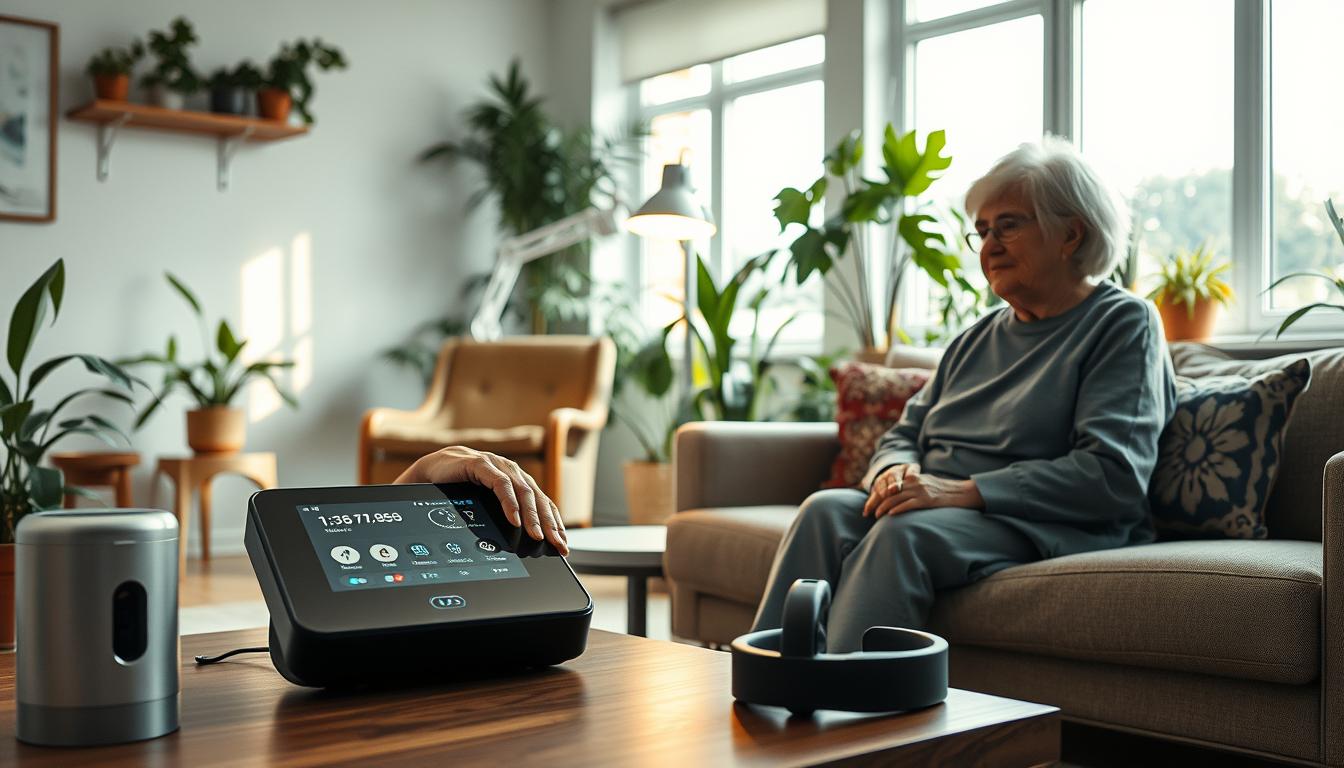
Health tech at home: what actually helps seniors stay independent
Welcome to our guide on finding the right support for your loved ones. As family members age, their desire to live on their own terms remains strong. You want to honor that wish while ensuring their well-being. This journey can feel overwhelming, but you are not alone.
Modern tools are designed to empower, not restrict. They offer a smart way to provide peace of mind. The right devices can alert you to potential issues while respecting privacy. This approach helps maintain dignity and confidence.
Our goal is to simplify your search. We will explore different types of helpful gadgets. You will learn about key features that make a real difference. We provide clear advice to help you choose what fits your family’s unique situation.
This guide focuses on practical solutions that integrate smoothly into daily life. It’s about creating a supportive environment that promotes safety and autonomy. Let’s find the tools that truly help your loved one thrive in their own space.
Key Takeaways
- Modern tools are designed to support autonomy and safety for older adults.
- Choosing the right devices can provide significant peace of mind for families.
- Effective solutions respect privacy while offering necessary alerts.
- This guide will help you navigate various options and essential features.
- Practical advice is provided to match technology to individual needs.
- The focus is on seamless integration into daily routines for sustained independence.
Understanding the Benefits of At-Home Health Monitoring
Living arrangements that span miles can create worry, but today’s innovative solutions offer reassuring connections. These systems provide a simple way to check on your loved one’s well-being from a distance.
Providing Peace of Mind for You and Your Loved Ones
When busy schedules or distance make constant visits challenging, these tools deliver significant peace of mind. They track daily patterns and send immediate alerts for unusual activity.
Having open conversations about consent strengthens trust. Discussing how to balance safety with privacy ensures everyone feels comfortable with the arrangement.
Enhancing Independence and Safety Through Technology
These solutions are designed to support autonomy, not intrude. They provide discreet assistance that respects your loved one’s independence while ensuring their safety.
The oversight extends your caregiving reach. This is especially valuable if your parents receive part-time assistance or live alone.
| Benefit Type | Emotional Impact | Practical Outcome |
|---|---|---|
| Daily Activity Tracking | Reduces anxiety about routines | Identifies changes in patterns early |
| Emergency Alert Systems | Provides immediate reassurance | Enables quick response to crises |
| Remote Connection | Maintains family bonds | Offers continuous oversight |
Understanding these core advantages helps you choose the right support system. It should truly serve your family’s unique situation and needs.
Exploring health monitoring technology for seniors at home
Today’s innovative systems transform ordinary residences into smart environments that support wellness and independence. These tools provide continuous oversight without requiring frequent medical visits.
Key Advantages and Practical Applications
Remote patient monitoring equipment collects vital information from personal living spaces. This data transmits securely to healthcare teams for analysis.
The real-time understanding of conditions allows medical professionals to make proactive decisions. They can adjust treatments before issues become serious.
Older individuals benefit greatly from daily engagement with their wellness. This regular awareness encourages positive habits and lasting outcomes.
Chronic conditions like diabetes and heart disease see significant improvement with consistent tracking. The continuous observation helps manage these long-term challenges effectively.
Early detection of concerning patterns means quicker interventions. This reduces emergency situations and hospital visits over time.
These comprehensive systems support aging in place safely. They combine medical oversight with activity tracking and medication reminders.
Exploring available options helps you find the perfect match for your family’s needs. The right choice promotes both safety and personal freedom.
Essential Features to Look for in Elderly Monitoring Systems
The effectiveness of any safety setup depends heavily on choosing the right combination of features. Many available options focus primarily on security rather than senior care needs.
Prioritizing specialized capabilities ensures your loved one receives appropriate support. Look for systems designed specifically for older adults.
Smart Tech Compatibility and Emergency Response Features
Integration with existing smart home devices provides valuable insights into daily routines. When lights remain off unexpectedly, it could signal assistance is needed.
Wearable emergency buttons allow immediate help during crises. These features are crucial for individuals with medical conditions requiring quick response.
Fall Detection and Activity Monitoring Benefits
Automatic fall detection ensures help arrives even if your loved one cannot press a button. This technology addresses balance concerns common among older adults.
Movement sensors track activity patterns throughout the living space. Changes in routine can alert you to potential issues before they become serious.
Remote access capabilities let you check status from anywhere. These comprehensive features work together to create a supportive environment.
Diverse Devices That Support Senior Health Monitoring
The marketplace offers an impressive array of supportive gadgets designed to keep aging family members secure. You can choose from wearable trackers, smart home sensors, and clinical equipment that work together seamlessly.
These tools create a comprehensive safety net while respecting personal space. They address different aspects of well-being through various approaches.
Wearables, Sensors, and Remote Monitoring Tools
Wearable devices like Fitbit and Apple Watch provide continuous tracking of activity levels and heart rate. About 20% of adults over 70 use these handy tools for daily wellness insights.
Sensor-based systems offer discreet oversight without cameras. Alarm.com Wellness monitors movement patterns and connects with emergency buttons.
Samsung SmartThings uses motion detectors to track daily routines. It can activate lights when someone enters a room, reducing fall risks in darkness.
Camera options like Nest Cam allow visual check-ins from anywhere. They send alerts when activity is detected throughout the day.
Comparing Home Monitoring Systems and Remote Patient Devices
Home-focused systems prioritize safety and activity tracking. They watch for unusual patterns and potential hazards in the living environment.
Clinical devices manage specific medical conditions with precision. Blood pressure cuffs and glucometers provide accurate readings for healthcare providers.
Many families combine both types for complete coverage. This approach addresses immediate safety concerns and long-term wellness goals simultaneously.
Your choice depends on individual needs and comfort levels. Active individuals might prefer wearables, while those managing chronic conditions benefit from clinical tools.
How Home Monitoring Enhances Independence and Safety
Creating a supportive environment where your loved one can thrive involves smart tools that respect their autonomy. These systems provide a safety net while preserving personal freedom. They enable aging in place with confidence.
The right setup strikes a perfect balance. It offers protection without intrusion. Your family member maintains their daily routines and activities knowing help is available instantly.
Real-Time Alerts and Immediate Assistance
Modern systems provide continuous oversight through real-time alerts. When unusual patterns or emergencies occur, you receive immediate notifications. This timely information allows for quick response.
Falls are the leading cause of injury among older adults. Quick detection and assistance can be lifesaving. Studies show timely responses significantly lower complication risks.
These tools don’t replace human care—they enhance it. You gain peace of mind knowing you’ll be alerted if something goes wrong. Your loved one enjoys independence with security.
The system works quietly in the background. It respects privacy while ensuring safety. This approach supports comfortable living in familiar surroundings.
Integrating Technology with Personalized Senior Care
Thoughtful integration of helpful devices into care routines requires understanding your family member’s unique preferences and comfort levels. This approach ensures solutions enhance rather than disrupt daily life.
Open communication about consent builds trust when introducing new tools. Discussing privacy concerns helps everyone feel comfortable with the arrangement.
Balancing Safety with Comfort and Privacy
Choosing the right system means selecting sensors that provide oversight without intrusion. Motion detectors in common areas offer better privacy than cameras in bedrooms.
As Jay Bhatt from Deloitte notes, “Technology can help older adults to age in place and maintain their independence.” The goal is empowerment through discreet support.
Leveraging Remote Caregiving for Continuous Support
Remote tools offer consistent care when physical presence isn’t possible. Research shows 27% of patients felt more comfortable with telemedicine after COVID-19.
Personalized approaches address individual needs like medication reminders or activity tracking. This tailored care creates a supportive ecosystem for daily living.
Navigating the Buyer’s Guide for the Right Health Tech Device
Choosing the perfect supportive tools requires matching specific features to individual needs. Start by evaluating your loved one’s daily patterns and medical requirements. This thoughtful approach ensures you select equipment that truly enhances their lifestyle.
Ask key questions about their situation. Does your family member need tracking for specific conditions? Are falls a regular concern? Would medication reminders improve their routine?
Assessing Features and Understanding Your Needs
Match device capabilities to identified requirements. Prioritize automatic fall detection if balance is uncertain. Look for reminder functions if medication management is challenging.
Consider comfort with equipment operation. Select intuitive interfaces that encourage consistent use. Complex systems often remain unused despite their advanced features.
Evaluate practical factors like battery duration and setup simplicity. Check subscription costs and customer support availability. Ensure the system integrates with existing care providers when necessary.
Compare standalone wearables against comprehensive home systems. Clinical-grade devices offer different benefits than consumer trackers. Subscription services provide ongoing support where one-time purchases may not.
Involve your loved one in the selection process. Their input addresses personal concerns and preferences. This collaboration ensures they feel empowered rather than watched.
The right solution should improve quality of life while providing actionable information. Your goal is finding equipment that works seamlessly for your unique situation.
Conclusion
As family caregivers, finding the perfect balance between oversight and independence represents a meaningful achievement. The growing elderly safety market, expected to expand at 6.0% annually, shows families recognize these solutions’ value.
These supportive systems enhance quality of life for older adults while providing peace of mind. They empower your loved ones to maintain dignity in their own place.
Start with one or two monitoring devices that address immediate concerns like fall detection. Build your care approach gradually as needs evolve.
This investment supports continued independence and safety. With thoughtful implementation, you create an environment where your loved ones can thrive.