
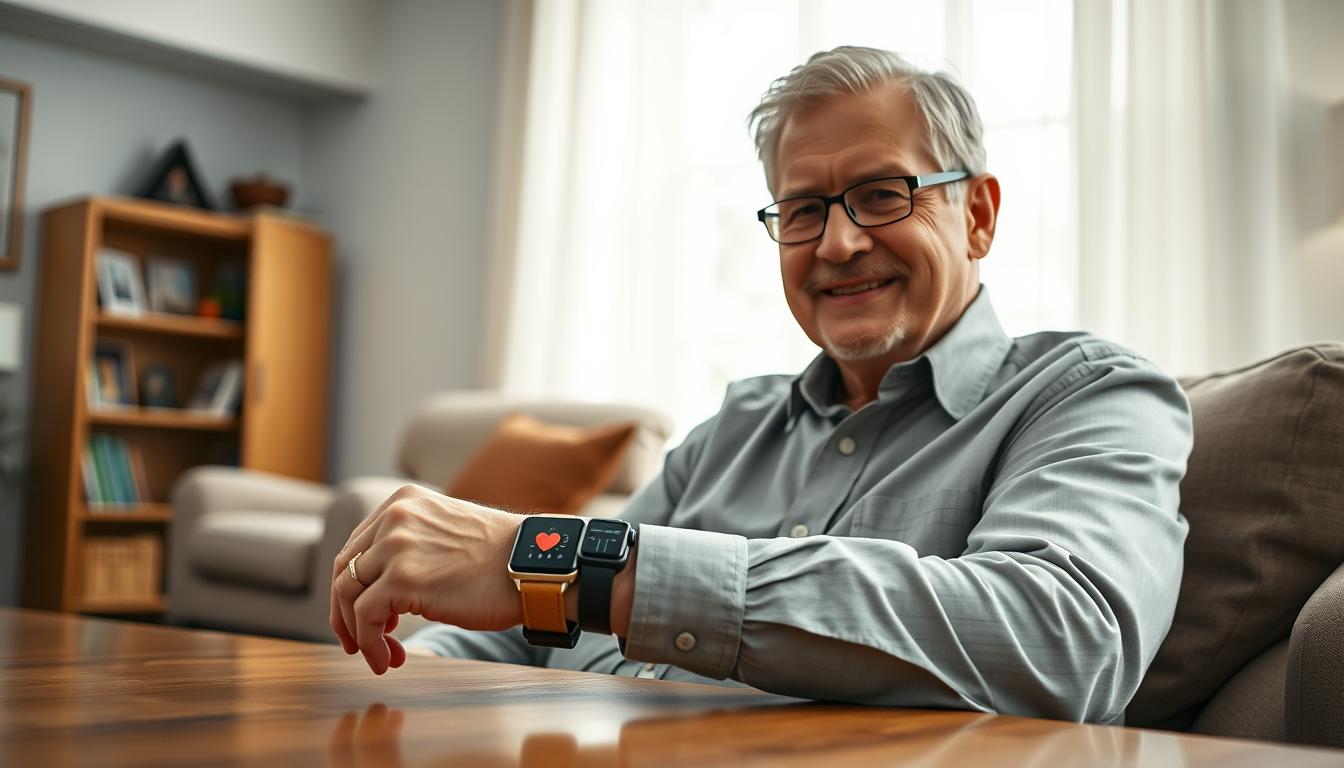
Heart-Monitoring Watches Seniors Over 70 Can Use Without a Smartphone
Staying connected and safe is easier than ever for older adults. New technology offers sleek, modern alternatives to traditional safety devices. A recent AARP report shows that over 30% of adults aged 50 and above now use a wearable device.
True medical alert smartwatches from brands like Bay Alarm Medical and Medical Guardian are leading this change. These devices have a built-in cellular connection. This means they work completely on their own.
You do not need to own or pair the device with a mobile phone. This independence is a major advantage. It provides vital health tracking and emergency call features without any technical hassle.
This guide will help you understand these standalone devices. We will explore how they combine essential features with simplicity. You will learn about specific products and key factors to consider for your peace of mind.
Key Takeaways
- Standalone medical alert smartwatches operate independently, requiring no smartphone.
- These devices feature built-in cellular SIM cards for direct emergency contact.
- They are designed specifically for ease of use by older adults.
- Continuous health tracking provides significant safety benefits.
- Leading brands include Bay Alarm Medical, Medical Guardian, and LifeStation.
- The technology offers a modern, discreet alternative to traditional alert systems.
Introduction: Exploring Smart Heart Monitoring Options for Seniors
Gone are the days of bulky, obvious medical alert systems that many found inconvenient to wear. Today’s options are sleek and modern. They look like fashionable tech accessories rather than medical equipment.
This shift in design is crucial. It removes the stigma often associated with older safety devices. When a device is appealing, you are more likely to wear it consistently. Consistent use is key for effective health tracking.
These modern devices offer significant advantages. They can provide early detection of irregular heartbeats. Tracking your heart rate trends over time helps you understand your cardiovascular health. This continuous monitoring is effortless and happens in the background.
The acceptance of this wearable technology is growing. A 2020 Pew Research report found that 21% of Americans use a smartwatch or fitness tracker. This trend includes the over-70 demographic. The best part is that these advanced watches work on their own. You do not need a smartphone to benefit from their powerful features.
Why Standalone Medical Alert Smartwatches Are Ideal for You
Modern medical alert technology has evolved to offer complete independence from smartphones. Top-rated models from Bay Alarm Medical, Medical Guardian, and LifeStation feature built-in cellular SIM cards. This allows direct communication with emergency operators without phone pairing.
The built-in cellular connection means your safety device works anywhere with network coverage. You can leave your phone at home during walks or activities. This standalone system provides immediate emergency assistance when needed most.
Setup is remarkably simple with no complicated activation process. The monthly monitoring fee covers cellular service within your medical alert subscription. This eliminates the need for a separate phone plan.
| Feature | Standalone Devices | Smartphone-Dependent | Key Advantage |
|---|---|---|---|
| Cellular Connection | Built-in SIM card | Requires paired phone | Complete independence |
| Setup Process | Minutes to activate | Complex pairing required | Senior-friendly simplicity |
| Monthly Costs | Included in subscription | Separate phone plan needed | Better value |
| Emergency Access | Direct from device | Dependent on phone proximity | Reliable protection |
This independence brings significant peace of mind. You know your safety system will function properly regardless of phone location. The advanced features provide reliable protection without technical complexity.
Heart Monitoring Watches Seniors: A Comprehensive Product Roundup
Our team conducted extensive testing to identify the most reliable health tracking devices for independent living. We evaluated over a dozen models through 100+ hours of hands-on assessment.
This curated list represents the top-performing products available today. Each device offers unique benefits for different lifestyles and needs.
The Bay Alarm Medical SOS smartwatch earned our top rating for overall performance and value. It scored exceptionally high in customer experience and cost effectiveness.
For active individuals, the Medical Guardian MGMove provides excellent tracking capabilities. It facilitates easy communication with caregivers and family members.
| Product Name | Best For | Key Rating | Standout Feature |
|---|---|---|---|
| Bay Alarm Medical SOS | Overall Value | 9.2/10 | Excellent Customer Experience |
| Medical Guardian MGMove | Active Lifestyle | 4.5/5 | Caregiver Communication |
| LifeStation Sidekick Smart | Fast Response | 4.0/5 | 10/10 Monitoring Speed |
| Apple Watch Series 10 | Tech-Savvy Users | 4.2/5 | Advanced Ecosystem |
| WellBe Medical Alert | Health Support | 4.0/5 | Comprehensive Wellness |
Alternative options like the Samsung Galaxy Watch7 serve specific needs such as visual impairment support. The Spade & Co Health Smartwatch 3 scored highest for user-friendliness.
Each model in our list serves different preferences. The upcoming sections will provide detailed comparisons to help you select the perfect device.
Key Health Features: Heart Rate, Blood Oxygen, and More
The latest generation of standalone safety wearables includes powerful health monitoring features previously found only in medical settings. These devices provide continuous tracking of vital signs that offer valuable insights into your cardiovascular wellness.
Continuous heart rate monitoring works through optical sensors that detect blood flow changes. This feature is particularly important for individuals with cardiovascular concerns or those taking medications that affect heart rate. The system can alert you when your rate exceeds personalized safety thresholds.
Blood oxygen (SpO2) monitoring measures oxygen saturation levels in your blood. This capability can help detect potential respiratory issues, sleep apnea, or circulation problems early. Devices like the Apple Watch Series 10 and Spade & Co Health Smartwatch 3 provide real-time blood oxygen updates.
Additional wellness features include step counting, calorie tracking, and sleep analysis. These tools help maintain overall health beyond cardiovascular concerns. While consumer devices may not match medical-grade equipment accuracy, they provide reliable trend data for informed discussions with healthcare providers.
The collected health data empowers you to have more productive conversations about your cardiovascular health. You can share trends and patterns with your doctor during regular check-ups. This proactive approach to wellness management represents a significant advancement in personal health technology.
Advanced Monitoring Capabilities and Emergency Response
The most critical aspect of any safety device is its ability to respond effectively in an emergency. Modern medical alert watches go far beyond basic fitness tracking. They are built with life-saving features that provide a direct link to help.
Automatic fall detection is a key advancement. The Bay Alarm Medical SOS Smartwatch uses AI to analyze movements. This smart system helps reduce false alarms while staying sensitive to real falls.
If you need help, pressing the SOS button connects you directly to a professional monitoring center. Trained operators are available 24/7. Our tests showed impressively fast connection times.
All these devices include built-in GPS. This allows emergency responders to find your exact location quickly. Whether you are at home or out for a walk, help can be dispatched precisely where needed.
Two-way voice communication lets you speak through the watch itself. You can talk to an operator without needing a phone. This direct communication is clear and reliable.
| Brand & Model | Key Safety Feature | Average Response Time |
|---|---|---|
| Bay Alarm Medical SOS | AI Fall Detection | Under 15 seconds |
| Medical Guardian MGMove | Caregiver Communication | Approximately 9 seconds |
| LifeStation Sidekick Smart | GPS Location Tracking | Less than 1 minute |
Additional features like medication reminders add another layer of daily support. While wrist-based fall detection has limitations, technology continues to improve. These advanced monitoring capabilities offer significant peace of mind.
Ease of Use: Simplicity and Senior-Friendly Design
The success of any personal safety device hinges on its daily usability and comfort. Leading brands prioritize an intuitive design that removes technical barriers. This focus on ease ensures you can benefit from all features without frustration.
Ergonomic Design and Intuitive Interfaces
Physical comfort is crucial for all-day wear. The Bay Alarm Medical SOS Smartwatch features a lightweight build and an adjustable band. Its streamlined design has no extra buttons to cause confusion.
You navigate the interface with simple finger swipes. Large, clear icons show what each function does. The LifeStation Sidekick Smart has a bright screen with easy-to-read fonts, even in sunlight.
This thoughtful use of large visuals and touch gestures makes the technology accessible. The MGMove model uses easily identifiable icons for checking weather or steps.
User Setup and Navigation Tips
Getting started should be quick and hassle-free. The Bay Alarm Medical SOS often arrives fully charged and ready for immediate use. The activation process is straightforward, taking just minutes.
To navigate efficiently, practice the basic swipe gestures when you first get your device. Familiarize yourself with the SOS button location for quick access in an emergency. Adjust the screen brightness in the settings for optimal visibility.
| Model | Key Ease-of-Use Feature | Setup Time | Best For |
|---|---|---|---|
| Bay Alarm Medical SOS | Single-button SOS & swipe navigation | Under 5 minutes | Maximum simplicity |
| LifeStation Sidekick Smart | High-contrast, large-font display | Approximately 10 minutes | Users with vision concerns |
| Medical Guardian MGMove | Large, identifiable icons for tasks | Around 7 minutes | Staying connected with caregivers |
Choosing a device with these senior-friendly elements guarantees a positive experience. The right design empowers you to feel confident and secure.
Comparing Top Picks: Apple Watch Series Versus Dedicated Medical Alert Devices
Choosing between a popular consumer device and a purpose-built safety system requires careful consideration. The Apple Watch Series functions as a multi-purpose smartwatch with added safety features. Dedicated medical alert devices focus solely on emergency response and health tracking.
A key difference is iPhone dependency. You need an iPhone to set up any Apple Watch, including the latest watch series models. The GPS-only version requires your phone nearby for emergency calls. This creates limitations if you prefer a standalone device.
Pricing structures vary significantly. The Apple Watch Series 10 costs $399 upfront, while dedicated devices like Bay Alarm Medical’s cost $199. Monthly fees differ too—cellular service for an Apple Watch may be cheaper than professional monitoring subscriptions.
The smartwatch offers advanced health features like ECG and blood oxygen tracking. However, testing revealed unreliable fall detection. One tester couldn’t trigger it after an actual fall. Dedicated devices provide simpler, more reliable emergency response despite fewer features.
This Apple Watch suits tech-savvy individuals who already use iPhones. For those seeking straightforward safety without smartphone complexity, purpose-built medical alert devices offer superior reliability and ease of use.
In-Depth Look at Built-In Fall Detection and Safety Functions
Understanding the reality of automatic fall detection is crucial for making informed safety decisions. This technology uses accelerometers and gyroscopes to detect sudden movements that resemble falls.
Wrist-worn devices face inherent accuracy challenges. Everyday arm movements can trigger false alarms. The Bay Alarm Medical SOS Smartwatch uses AI to reduce these false positives.
Research shows significant limitations in current technology. One reviewer couldn’t trigger Apple Watch fall detection during an actual fall. This highlights reliability concerns for users.
| Detection Challenge | Wrist-Worn Devices | Pendant-Style Systems | Impact on Users |
|---|---|---|---|
| False Positives | High risk from arm movements | Lower risk with chest placement | Unnecessary emergency responses |
| False Negatives | Missed falls common | Better impact detection | Missed critical emergencies |
| Monthly Cost | Typically $10 add-on | Often included standard | Additional expense for limited reliability |
| Best For | Tech-savvy users with lower fall risk | High fall risk individuals | Different safety needs |
For those at high fall risk, manual SOS buttons provide more dependable protection. This safety feature ensures immediate help when needed.
Consider your personal health situation when evaluating this technology. Emerging improvements may enhance future watch capabilities for seniors.
Battery Life and Charging Considerations for Senior Users
Reliable battery performance is a cornerstone of any effective personal safety device. Your peace of mind depends on the device having power when you need it most.
Most dedicated alert systems offer a battery life of 18 to 24 hours. This typically means establishing a simple nightly charging habit. Placing the charger on your nightstand makes this routine easy to remember.
Battery performance varies significantly across different models. Choosing a device that matches your lifestyle is key to consistent use.
| Device Model | Estimated Battery Life | Charging Frequency |
|---|---|---|
| Bay Alarm Medical SOS Smartwatch | Up to 18 hours | Daily |
| Medical Guardian MGMove | Full day | Daily |
| Spade & Co Health Smartwatch 3 | Over two weeks | Couple times per month |
| Apple Watch Series 10 | Up to 32 hours | Daily |
Features like constant GPS location tracking and cellular connectivity can drain the battery faster. You can often extend your battery life by adjusting screen brightness.
All these devices use magnetic charging cradles. These cradles snap into place easily, eliminating the hassle of plugging in tiny cords. This thoughtful design ensures a secure connection every time.
A low battery warning will alert you well before the device powers down. This gives you plenty of time to recharge and maintain continuous protection throughout your life.
Subscription Costs, Value, and Long-Term Investment Analysis
Understanding the true financial commitment of medical alert technology requires looking beyond the initial equipment price. The first-year total cost combines startup fees with twelve months of service.
Different models offer varying price structures. Your monthly budget will determine which option provides the best value.
| Device Model | Startup Cost | Monthly Fee | First Year Total |
|---|---|---|---|
| Bay Alarm Medical SOS | $159-$199 | $34.95-$49.95 | $578.40-$662.70 |
| Medical Guardian MGMove | $199.95 | $42.95-$49.95 | $811.85 |
| LifeStation Sidekick Smart | $99.95 | $47.90 | $674.75 |
| Apple Watch Series 9 | $499 | $14.99 | $678.88 |
| WellBe Medical Alert | $159.95 | $29.95 | $519.35 |
These devices cost more than traditional systems due to advanced hardware. Cellular connectivity and GPS capabilities increase the price but provide greater independence.
Additional fees like fall detection add-ons can impact your monthly budget. Typically costing $10 per month, these features should be considered in your total investment.
Annual subscriptions often provide significant savings. Many companies offer free months or discounted rates for longer commitments. This reduces your effective monthly cost over time.
When evaluating the price, consider the value beyond dollars. Reliable emergency response and quality customer service justify the investment for many users.
Standalone Devices Versus Smartphone-Dependent Options
Choosing the right type of medical alert system depends heavily on your relationship with smartphone technology. The fundamental choice is between a standalone device and one that requires a phone.
Standalone smartwatches from companies like Bay Alarm Medical operate completely independently. These device models have cellular service built directly into their monthly fee. You never need to pair them with a phone.
In contrast, popular consumer watch options like the Apple Watch are smartphone-dependent. They require an iPhone for initial setup and full functionality. This creates a significant technical barrier for many users.
The main advantage of a standalone device is simplicity. You get reliable emergency calling and health tracking without phone-related hassles. There is no need to keep a phone charged or nearby during your daily activities.
Smartphone-dependent smartwatches often have limitations. For example, the Family Setup feature for the Apple watch restricts access to certain health app functions. This can reduce the usefulness of the technology.
Our testing consistently favored standalone systems. They scored higher for ease of use and overall value. The total cost is often lower when you factor in cellular plan savings.
If you already use and enjoy a smartphone, a dependent watch might integrate well. But for true independence, a dedicated device is the superior choice. It provides peace of mind without the complexity.
Smartwatch Design and Comfort: A Senior Perspective
A device’s physical characteristics significantly influence whether you’ll wear it consistently for protection. The best technology is useless if it sits in a drawer. Modern options prioritize a discreet, appealing design that feels natural on your wrist.
This focus on style helps avoid the stigma of older medical equipment. You get reliable safety features in a package that looks like a contemporary tech accessory.
Style, Durability, and Wearability
Comfort starts with weight. Top models like the Bay Alarm Medical SOS smartwatch weigh just 1.3 ounces. The Medical Guardian MGMove is slightly heavier at 2 ounces but remains slim.
In contrast, some consumer watches can be bulky. The Samsung Galaxy Watch 5 Pro, for instance, felt too large for many wrists. This caused discomfort and led to inconsistent use.
Water resistance is a non-negotiable safety feature. It allows you to wear your device in the shower, where many falls occur. All dedicated medical alert smartwatches offer this protection.
| Model | Weight (ounces) | Key Comfort Feature | Water Resistance |
|---|---|---|---|
| Bay Alarm Medical SOS | 1.3 | Sleek, lightweight frame | Yes (shower-safe) |
| Medical Guardian MGMove | 2.0 | Compact, less bulky design | Yes (shower-safe) |
| WellBe Medical Alert | 1.8 | Apple Watch-like style | Yes (shower-safe) |
| Samsung Galaxy Watch 5 Pro | 2.5 | Large, potentially uncomfortable | Yes |
For those with smaller wrists or dexterity challenges, adjustable bands and magnetic clasps are essential. They make putting on and taking off the watch simple. A comfortable design ensures you keep it on all day and night for continuous safety.
App Integration and Additional Health Tracking Tools
Application integration transforms basic safety devices into comprehensive health companions. Most medical alert systems include standard apps like weather forecasts and step counters. These tools enhance daily utility beyond emergency features.
Companion mobile apps provide valuable connections for family members. The Medical Guardian MGMove features the MyGuardian app with advanced location detection. Caregivers can monitor activity levels through these portals.
Advanced health tracking tools include sleep analysis and medication reminders. The WellBe system offers exceptional health support features. These apps help manage appointments and insurance benefits.
Data privacy remains crucial for personal health information. HIPAA compliance ensures your medical data receives proper protection. This security allows safe tracking and sharing of wellness data.
Evaluate which features provide genuine value for your situation. Simple step tracking can motivate daily activity goals. Choose apps that enhance safety without unnecessary complexity.
Managing Technology: Setup, Connectivity, and User Experience
Getting your new medical alert device working should be a simple, stress-free process. The best companies design their products and services with this goal in mind. Your initial experience sets the tone for long-term confidence in the technology.
Setup experiences vary significantly between brands. The Bay Alarm Medical SOS smartwatch arrives ready for immediate use. Product registration is often complete from the start.
This level of preparation demonstrates a focus on user ease. Pressing the SOS button connects you directly to an operator with your information ready. In contrast, the LifeStation Sidekick Smart has easy activation but restricts new setups on weekends.
Consumer devices like the Apple Watch require more technical knowledge. The setup involves an iPhone and many complex steps. This can be confusing for those less familiar with modern technology.
| Model | Setup Process | Key Feature | Customer Support |
|---|---|---|---|
| Bay Alarm Medical SOS | Pre-configured, plug-and-play | Instant operator data access | Friendly, knowledgeable sales team |
| LifeStation Sidekick Smart | Easy activation (weekdays only) | Straightforward connection | Patient, helpful representatives |
| Medical Guardian MGMove | Guided activation process | Caregiver app integration | Non-pushy, solution-focused |
| Apple Watch Series | iPhone-dependent, multi-step | Advanced health ecosystem | Apple Support resources |
Always test your device after setup. Confirm the SOS button works and you can hear the operator clearly. This final check ensures your watch is truly ready to protect you.
Quality customer service is crucial during this phase. Look for companies with patient representatives who explain things clearly. The right support makes all the difference in your comfort with the technology.
Real User Reviews: What Seniors Are Saying About Their Watches
Hearing directly from people who use these devices daily provides the most valuable insights. Real-world experiences reveal how different models fit various needs and lifestyle preferences.
Customer Experiences and Feedback
One grandmother found the Medical Guardian MGMove passed what she called the “seniors test” perfectly. She easily checked weather, counted steps, and sent texts without assistance.
A Spade & Co Health Smartwatch 3 user reported wearing the device every day. Medication reminders ensured never missing doses. The step counter helped reach doctor-recommended goals.
An entire family adopted Apple watches across generations. The grandmother used hers for years without navigation problems. However, her daughter initially felt overwhelmed by the many features.
Success Stories and Practical Tips
These devices significantly improve quality of life for many users. Heart rate and SpO2 tracking helped one person take corrective measures when levels exceeded recommendations.
Bay Alarm Medical’s sales process received positive feedback for its quality service. Operators provided prompt, courteous assistance without pushy tactics.
The right choice depends on your comfort with technology and daily routine. Active users benefit from different features than those primarily at home.
These real stories help you make an informed choice for your specific lifestyle. They show how these devices become valuable companions for older adults.
Conclusion
Your journey to finding the right safety device ends with a clear choice. After extensive review, the Bay Alarm Medical SOS Smartwatch stands out as the best smartwatch for most users seeking independence.
Remember the key factors: standalone function, battery life, and ease of use. The right one for you balances these features with your budget.
Select a device you will wear daily. Consistent use is vital for its protective quality. This technology represents a positive step for your well-being.
Embrace the peace of mind that comes with having help readily available. Your independence and safety are worth the investment.