
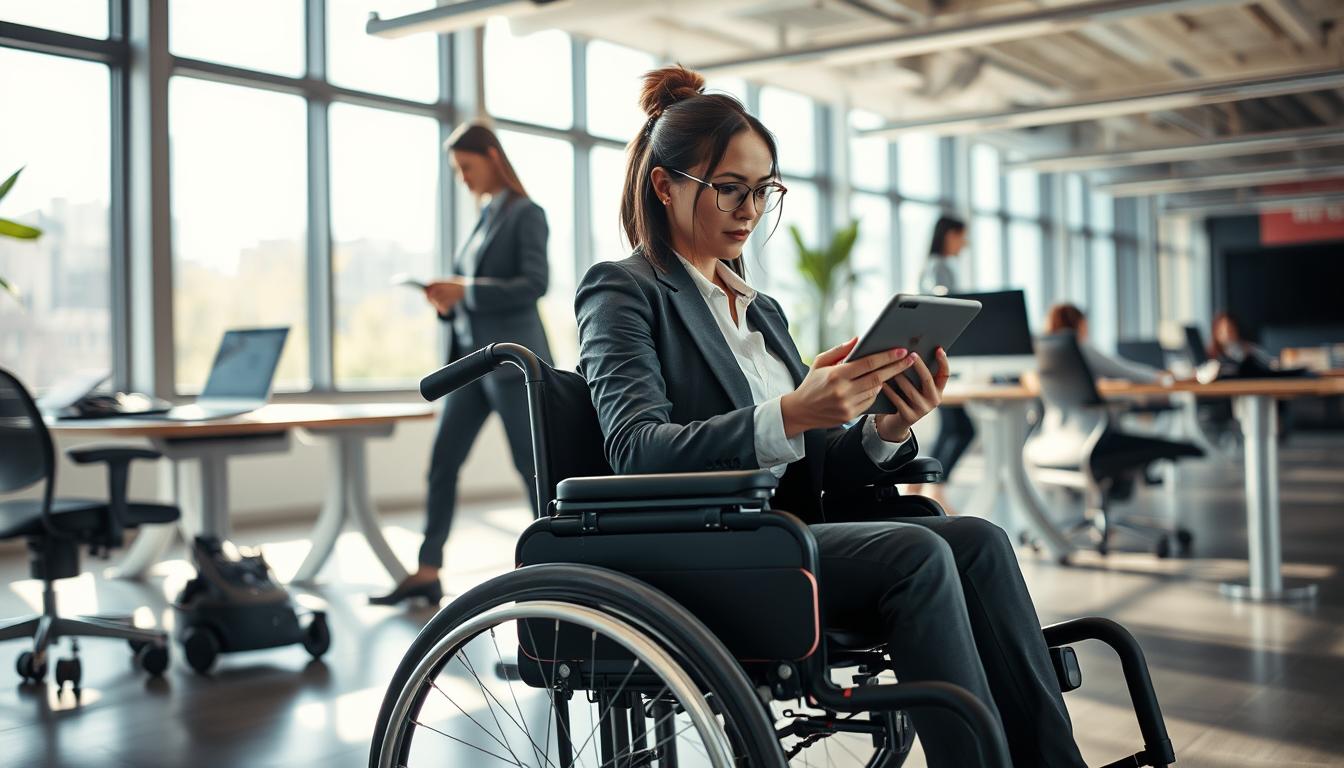
How to Adapt Technology to Physical Needs
Modern innovations are changing how we approach our wellness journey. Whether you’re recovering from surgery or managing daily challenges, smart solutions can transform your experience. These tools help you stay active and engaged with life’s activities.
This guide shows you practical ways to customize devices for better movement and function. You’ll discover wearable gadgets, smart home equipment, and virtual tools that make daily tasks easier. These advancements support your wellness goals effectively.
From patients to caregivers, everyone can benefit from these smart approaches. You’ll learn real-world applications that create personalized environments. These solutions enhance your capabilities and improve your quality of life.
Key Takeaways
- Modern tools revolutionize how we approach personal wellness challenges
- Customizable devices enhance movement and daily function
- Wearable gadgets and smart equipment offer practical solutions
- Virtual environments create accessible spaces for various activities
- Personalized approaches benefit patients, caregivers, and professionals
- Real-world applications improve overall quality of life
- Innovative solutions support individual health objectives
Introduction to Technology Adaptation for Physical Needs
Innovative devices provide tailored support for enhancing mobility and functional capabilities in everyday life. These solutions help bridge gaps in your daily routines with smart assistance.
Understanding Your Personal Tech Needs
Identifying what tools work best starts with recognizing your daily challenges. Consider how digital solutions can support your movement goals effectively.
Assessment involves examining current limitations and available options. This process helps you select the right tools for maximum benefit in your wellness journey.
| Technology Type | Primary Benefit | Best For |
|---|---|---|
| Wearable Sensors | Real-time movement tracking | Daily activity monitoring |
| Mobile Applications | Progress documentation | Exercise routine support |
| Remote Monitoring | Professional oversight | Recovery progression |
| Customizable Interfaces | Personalized experiences | Individual requirements |
The Evolving Role of Physical Therapy and Adaptive Solutions
Traditional hands-on care now integrates digital tools for better outcomes. Modern approaches use data to create personalized treatment plans.
These advancements allow continuous support outside clinical settings. Remote monitoring enables real-time adjustments to your program.
The intersection of health and digital tools creates new engagement pathways. You can track improvements and stay motivated throughout your journey.
Adapting Technology to Physical Needs: Essential Tools and Devices
The right tools can dramatically improve your interaction with the world around you. A wide array of assistive solutions exists to support your mobility, communication, and access to information.
These innovations are tailored to meet your individual requirements, allowing for greater independence in work, learning, and daily life.
Key Devices That Enhance Accessibility
Essential devices range from basic mobility aids to advanced digital systems. You might use a simple walker or a sophisticated voice-controlled smart wheelchair.
Alternative input devices let you operate computers through breath control or eye movements. This is helpful when traditional keyboards are not practical for your situation.
These powerful technologies break down barriers by adapting to your strengths. They provide customizable solutions rather than forcing you to conform to rigid standards.
Exploring how different tools work together creates a comprehensive support system. This approach maximizes your independence and overall quality of life.
Wearable Devices and Sensor Technology in Physical Therapy
Modern wearable tech goes beyond simple step counting to deliver detailed feedback on your form and function. These gadgets collect valuable information as you go about your day.
This constant stream of data creates a powerful partnership between you and your healthcare team. It allows for care that is highly responsive to your actual progress.
Exploring Smartwatches, Fitness Trackers, and Skin Sleeves
Common wearable devices like smartwatches and fitness trackers are easy to use. They monitor your heart rate, count steps, and track activity levels seamlessly.
Skin sleeves represent a simple yet innovative approach for all ages. They ensure you follow your prescribed routines while gathering important biometric data.
These trackers sync with therapist systems, providing real-time insights. Your care plan can be fine-tuned based on how your body responds in real-world conditions.
Innovative Sensor Technologies for Better Movement Feedback
Small, discrete sensors represent a major leap forward in movement analysis. You can place them in socks to evaluate foot contact or embed them in clothing.
This advanced sensor technology captures detailed biomechanical data during exercises. It provides objective, real-time feedback about your movement quality.
You benefit by correcting your form and preventing patterns that could lead to injury. The feedback loop helps you build better habits for long-term wellness.
| Device Type | Primary Function | Key Benefit for You |
|---|---|---|
| Smartwatch | Activity & heart rate monitoring | Continuous daily progress tracking |
| Fitness Tracker | Step counting & sleep analysis | Motivation and habit building |
| Skin Sleeve | Biometric data collection | Adherence to therapy routines |
| Discrete Sensor | Detailed movement capture | Real-time form correction |
Gamification and Virtual Reality for Enhanced Engagement
Imagine completing your exercises while exploring virtual worlds that respond to your every movement. This exciting approach transforms routine therapy into engaging adventures. You experience measurable progress through interactive challenges.
These innovative methods keep you motivated throughout your recovery journey. They turn repetitive motions into rewarding achievements. Your commitment to therapy naturally increases when sessions feel like play.
Merging VR/AR with Physical Activity
Virtual reality creates immersive environments that make therapy enjoyable. You might find yourself in peaceful natural settings or competitive gaming scenarios. Each movement contributes to your rehabilitation goals.
The industry expects VR treatment use to grow by over 25% by 2028. This growth reflects the significant benefits patients experience. You receive real-time feedback on your form and progress.
How Motion-Sensor Gaming Boosts Motivation
Motion-sensor technology turns therapeutic activities into fun games. Platforms like Nintendo Wii transform exercises into sports simulations. You build strength while enjoying friendly competition.
These gaming elements provide immediate scoring and achievements. Your motivation stays high as you challenge personal records. The social aspect creates camaraderie with others on similar journeys.
You can continue these engaging activities at home between sessions. This consistency dramatically improves your adherence rates. Better outcomes become achievable through sustained effort.
Adaptive Technology: Devices for Everyone
Screen-based interactions become more inclusive with specialized tools designed for diverse users. These solutions help you access digital content regardless of your abilities or limitations.
Assistive Tools Like Screen Readers and Eye-Tracking Systems
Screen readers like JAWS, NVDA, and VoiceOver convert text into speech or Braille output. They interpret website code and present information in a linear format you can navigate with keyboard commands.
These technologies eliminate the need for visual scanning and mouse clicking. You gain independence when browsing websites and using applications.
Despite available tools, 94.8% of top websites have detectable accessibility failures. This means you might encounter barriers even with the best assistive devices.
Eye-tracking systems represent cutting-edge technologies that let you control your cursor with eye movements. They provide independence if you have limited hand control.
Alternative input tools include sip-and-puff systems responding to breath control. Voice recognition software lets you dictate text when traditional methods aren’t suitable.
These applications empower your learning, work tasks, and communication. They expand opportunities for education and social connection regardless of physical challenges.
Enhancing Accessibility through Digital Tools
Digital customization options transform how you interact with online content by putting control directly in your hands. These features create more inclusive digital spaces that work for diverse users.
Customization Features for Optimal Online Experiences
You can adjust font sizes, colors, and layouts to match your visual preferences. These changes make reading more comfortable on any screen.
Color contrast settings help you distinguish important information clearly. About 8% of men and 0.5% of women experience color-blindness globally.
Built-in toolbars offer reading guides and text magnification tools. These features reduce visual overwhelm and improve focus.
Modern technologies include text-to-speech and language translation options. You benefit from these applications whether using mobile devices or computers.
Accessibility features create better experience for all users. They boost website usability and search engine performance too.
You can use these technologies to personalize your digital experience. They work well on any screen size or device type.
The Role of IoT and Smart Equipment in Remote Therapy
The Internet of Things brings clinical-level monitoring to your daily routine. Connected devices work together to create a comprehensive support system for your recovery journey.
These smart solutions sync your wearable sensors and home equipment with therapist systems. You receive professional guidance without leaving your home.
Leveraging Connected Devices for Tailored Care
Your smartwatch, fitness tracker, and home sensors connect seamlessly. They provide your healthcare team with a complete picture of your progress.
Remote programs allow you to complete exercises independently while maintaining professional oversight. Smart equipment guides you through proper form with audio and visual cues.
This approach gives therapists freedom to monitor more patients effectively. You benefit from specialized attention without compromising care quality.
Collecting Real-Time Data for Improved Outcomes
Connected devices gather specific biometric information during your sessions. This data represents actionable insights for your treatment plan.
You receive immediate feedback on your movement patterns. This prevents compensatory habits that could delay your recovery.
Your therapist analyzes trends and predicts potential setbacks. They optimize your program timing and intensity for the best functional outcomes.
These technologies reduce travel time while providing continuous, data-driven care. Your treatment adapts to your progress in real time.
TeleRehabilitation: Virtual Visits and Remote Care Insights
Remote therapy platforms connect you with licensed professionals through simple video calls. This approach eliminates travel barriers and makes it easier to fit sessions into your busy schedule. Telehealth became essential during recent global events and continues to play a vital role in healthcare.
You experience significant benefits from this modern practice. The convenience of virtual visits improves your commitment to therapy programs. Research shows better adherence rates when treatment fits comfortably into your daily life.
How Virtual Sessions Improve Patient Engagement
Virtual therapy boosts your engagement by creating a comfortable environment. You participate from home where you feel less self-conscious. This leads to better involvement in therapeutic activities that support your recovery.
CDC data reveals a concerning statistic: approximately 70% of knee replacement patients don’t complete required physical therapy. Telerehabilitation addresses this problem effectively. It removes the frustration of scheduling and attending in-person appointments.
The technology use in these platforms is straightforward. Most work on devices you already own like smartphones or computers. Your therapist guides you through setup during the first virtual session.
You receive the same health benefits as traditional clinic visits. Plus, you gain flexible scheduling and reduced travel time. Your therapist observes how you move in your actual living environment.
This approach provides valuable insights for your care. Professionals identify environmental barriers not apparent in clinical settings. The improved outcomes stem from better adherence to your full program.
Integrating Physical and Digital Movement Programs
When digital guidance and real-world activity work together, your fitness journey becomes more effective and enjoyable. This integration creates a powerful approach to wellness that leverages the best of both worlds.
You benefit from structured programs while maintaining the freedom of movement. The key lies in thoughtful combination rather than replacement.
Blending Exercise with Technology
Modern fitness apps provide professional instruction right in your living space. You can access guided workouts and real-time form correction through simple devices.
Wearable trackers monitor your progress during outdoor activities like running or swimming. This blend enhances your exercise routine with valuable data insights.
Strategies to Balance Screen Time and Active Movement
Set clear boundaries between active and passive device use. Choose motion-controlled games over sedentary screen consumption for better health outcomes.
Schedule regular movement breaks using reminder apps. These brief activity sessions help offset necessary screen time for work or communication.
Your goal is increased physical activity, not extended device exposure. Conscious choices about when and how you use digital tools support sustainable fitness habits.
| Integration Approach | Primary Benefit | Practical Example |
|---|---|---|
| Active Screen Time | Combines device use with movement | Following exercise videos |
| Movement Tracking | Encourages daily activity goals | Step counters that motivate walking |
| Scheduled Breaks | Balances sedentary periods | App reminders for stretching |
| Outdoor Integration | Reduces indoor screen exposure | Using fitness apps during park workouts |
Practical Strategies to Implement Adaptive Technology at Home
Creating a supportive home environment with modern aids begins with understanding your daily routine. You can build a system that truly works for your lifestyle with the right approach.
Assessing Your Needs and Available Solutions
Start by honestly evaluating your daily challenges and activities needing support. Consider which tasks cause frustration or require extra effort.
Research available technologies that address your specific requirements. Consult healthcare professionals for guidance on suitable options.
Test devices when possible before making financial commitments. This helps you find the best fit for your situation.
Step-by-Step Guide to Setting Up Your Adaptive Environment
Begin with one or two key solutions for your most pressing needs. Trying multiple complex systems at once can be overwhelming.
Arrange your physical space to accommodate new equipment properly. Ensure reliable internet connectivity for connected devices.
Allocate practice time to learn each tool thoroughly. Watch tutorial videos and attend training sessions when available.
Join online communities for tips and troubleshooting advice. Maintain communication with your healthcare team about what works.
Periodically reassess your setup as your fitness level or condition changes. This ensures your technologies continue serving your evolving needs effectively.
Overcoming Challenges with Technology Use for Physical Needs
While modern solutions offer incredible potential, you might encounter specific hurdles that require thoughtful approaches to overcome. Recognizing these common barriers helps you prepare effective strategies for smoother implementation.
Financial constraints often present significant challenges when acquiring specialized equipment. Fortunately, practical interventions like insurance advocacy and refurbished device programs can reduce costs substantially.
Identifying Common Barriers and Effective Interventions
You may face mobility-related difficulties when operating standard devices. Alternative mounting systems and voice controls represent helpful interventions that accommodate your movement capabilities.
Compatibility issues between devices create frustration during daily use. Researching integration options before purchase prevents these technical challenges from impacting your routine.
Psychological barriers like frustration or embarrassment sometimes arise during the learning process. Support groups and patient training programs offer valuable interventions for building confidence.
Your changing health conditions may require different support levels over time. Regular reassessment ensures your solutions remain effective as your needs evolve.
Remember that 69% of users abandon difficult websites, highlighting the importance of accessible design. Choosing providers who prioritize user-friendly interfaces creates better experiences for everyone.
Conclusion
Personalized digital support transforms how you approach movement challenges and health goals. You’ve discovered wearable sensors, virtual reality, and smart home equipment that enhance your daily life.
The benefits are clear: better engagement with therapeutic exercises, improved mobility, and personalized treatments. These tools provide real-time feedback and valuable data for your progress.
Start by assessing your specific needs and researching available applications. Consult professionals to find solutions that match your goals and lifestyle.
Embrace these innovations to boost your fitness journey and overall health outcomes. The right combination of tools supports your independence and enhances your quality of life.