
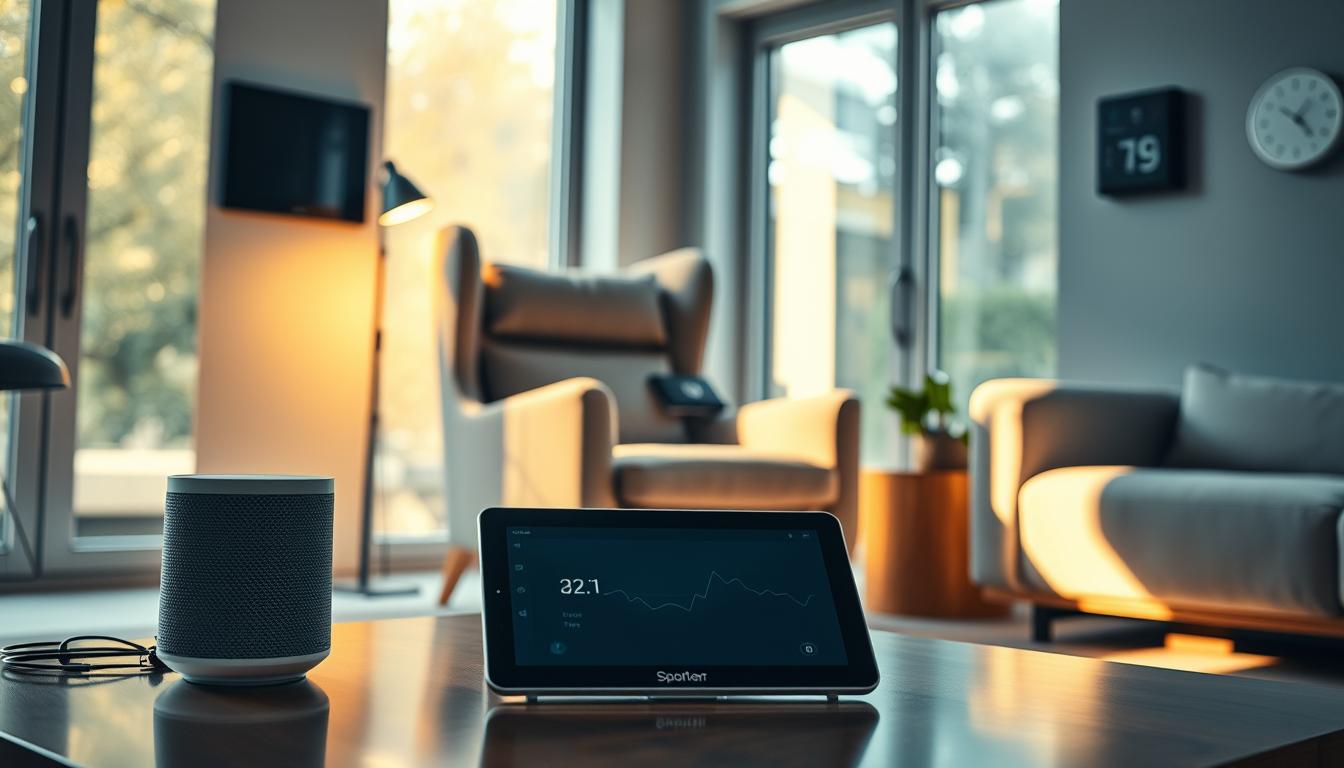
Smart Home Devices That Help Seniors Stay Independent Longer
By 2030, one in six people worldwide will be 60 or older. This growing population wants to maintain their autonomy while aging in their own homes. Modern technology offers practical solutions to make this possible.
Safety concerns are real for older adults. More than one in four people aged 65+ experience falls each year. Fire risks are also significantly higher for this age group. These statistics highlight the need for proactive safety measures.
Innovative technology now provides multiple layers of protection. These systems range from wearable emergency contacts to voice-activated assistants. Automated sensors and security systems work together to create safer living spaces.
This comprehensive guide explores how modern solutions support daily living. You’ll discover options that address safety monitoring and emergency response. The right choices can provide peace of mind while enhancing convenience.
Whether you’re a caregiver, family member, or an older adult yourself, understanding available technology is crucial. This guide helps you compare features, costs, and effectiveness. Make informed decisions to support lasting independence.
Key Takeaways
- The aging population is driving demand for technology that supports independent living
- Safety concerns like falls and fire risks make proactive measures essential
- Modern systems offer multiple layers of protection through integrated solutions
- These technologies range from wearable devices to automated home systems
- Understanding available options helps make informed purchasing decisions
- Proper technology selection provides peace of mind for families and caregivers
- These solutions can delay or prevent the need for assisted living transitions
Introduction to Smart Home Devices for Senior Independence
Cutting-edge residential technology now offers unprecedented support for maintaining personal freedom throughout later years. These innovative systems transform the aging experience by providing practical assistance where it’s needed most.
Understanding the Role of Technology in Aging in Place
Modern solutions address fundamental challenges that can affect quality of life. They automate routine tasks that may become difficult over time.
This technology creates safer environments through continuous monitoring. It provides immediate alerts when potential issues arise.
Benefits for You and Your Loved Ones
These systems deliver peace of mind for family members who live at a distance. Real-time updates about daily routines offer valuable reassurance.
For individuals, the advantages include enhanced safety and greater convenience. Voice-controlled features simplify household management without physical strain.
Research shows that people using these tools report higher satisfaction with their living situation. The right technological support makes a meaningful difference in daily experience.
The Importance of Safety and Emergency Alerts
Falls represent the most significant and frequent danger for older adults living independently. According to CDC data, more than one in four people aged 65 and older experience falls each year. This makes emergency response technology an essential component rather than an optional luxury.
Fall Detection and Immediate Response
Modern systems have evolved beyond traditional medical alert pendants. Today’s wearable devices offer advanced fall detection capabilities with automatic alerts. David Siegel, CEO of Nationwide Medical, emphasizes that wrist-worn devices enable 24/7 monitoring while detecting falls and determining location.
These systems immediately connect users to emergency services when incidents occur. This dramatically reduces the time between a fall and medical intervention. The technology provides comprehensive emergency response in a single system.
How Emergency-Contact Systems Can Save Lives
Real-world examples demonstrate the life-saving effectiveness of these systems. One user reported that after a bedroom fall left her unable to get up, voice-activated emergency services connected her to a human operator. Paramedics arrived within minutes of the alert.
Beyond falls, comprehensive safety alerts monitor for other emergencies. These include fire risks, carbon monoxide exposure, and unauthorized door access. For people with mobility challenges, knowing help is seconds away transforms daily vigilance into confident living.
Innovations in Smart Home Technology
Advanced systems now offer seamless integration between wearable tech and environmental controls. This creates a comprehensive safety network throughout your living space.
The latest breakthroughs focus on predictive safety measures. They anticipate needs before emergencies occur.
Wearable Devices and Their Advanced Sensors
Modern wearable technology incorporates sophisticated monitoring capabilities. The Apple Watch SE exemplifies this evolution with built-in fall detection and emergency contact features.
These devices use accelerometers and heart rate monitors. They analyze movement patterns continuously for automatic emergency identification.
Health information sharing with responders provides crucial medical details. This technology works seamlessly with apps like FallCall through voice commands.
Voice-Activated Gadgets for Hassle-Free Access
Voice-controlled systems eliminate physical interaction challenges. Alexa Emergency Assist responds to spoken commands from any room with an Echo device.
You can summon help, control lighting, or access information hands-free. This approach specifically addresses mobility limitations.
Connected thermostats learn your preferences over time. They adjust temperatures automatically while providing energy usage reports.
| Technology Type | Key Features | Primary Benefits | Example Products |
|---|---|---|---|
| Wearable Systems | Fall detection, heart monitoring, GPS tracking | 24/7 personal safety monitoring | Apple Watch SE, medical alert pendants |
| Voice-Activated Controls | Hands-free operation, emergency response | Accessibility without physical strain | Alexa Emergency Assist, Google Home |
| Environmental Automation | Learning algorithms, energy optimization | Comfort and cost savings | Smart thermostats, automated lighting |
How smart home devices for senior independence Enhance Living
The true value of these systems lies in their ability to improve quality of life across multiple areas. They automate everyday tasks like lighting control and temperature adjustment.
This support makes managing a household less physically demanding. You gain more energy for the activities you enjoy.
Safety is a fundamental benefit. Integrated sensors monitor for unusual activity and can alert help immediately. This creates a protective environment that operates quietly in the background.
Communication features are equally important. Video calling and voice-activated dialing help you stay close with family and friends. Reducing isolation contributes significantly to overall well-being.
Health monitoring tools provide an extra layer of security. They can track medication schedules and detect changes in daily patterns. This information offers peace of mind for you and your loved ones.
| Life Aspect | Technology Support | Key Benefit |
|---|---|---|
| Daily Tasks | Automated lighting, voice-controlled appliances | Reduced physical strain, increased convenience |
| Safety & Security | Motion sensors, emergency alert systems | Continuous monitoring, faster emergency response |
| Social Connection | Smart displays, video calling features | Combats loneliness, maintains relationships |
| Health Management | Medication reminders, activity tracking | Promotes adherence to health routines, early issue detection |
The combined effect of these supports is a more confident and autonomous lifestyle. Your living space becomes a true partner in maintaining your independence.
Key Features to Look for in Smart Home Devices
Selecting the right technological aids requires careful consideration of several essential characteristics. The best options combine simplicity with powerful functionality.
Focus on systems that work together seamlessly. Individual components should create a unified safety network throughout your living space.
User-Friendly Interfaces and Voice Control
Prioritize clear, intuitive controls with large icons and simple navigation. Voice commands eliminate physical interaction challenges.
Spoken instructions replace complex menus and small buttons. This approach provides hassle-free access to all system functions.
Compatibility with Major Platforms
Ensure your chosen technology works with existing systems like Apple Home, Amazon Alexa, and Google Home. Cross-platform functionality prevents frustration.
The emerging Matter standard offers universal compatibility. Look for this certification when available for future-proof integration.
Reliable customer assistance becomes crucial when questions arise. Choose brands with proven track records of responsive service.
In-Depth Buyer Considerations
Making an informed purchase requires looking beyond the initial price tag to understand the complete financial commitment. Hidden costs can significantly impact your budget over time.
You need to evaluate both immediate and ongoing expenses. This ensures your chosen solution remains affordable throughout its lifespan.
Pricing, Contracts, and Long-Term Costs
Monthly fees vary widely between different emergency response systems. Traditional monitoring services often charge $20-$50 monthly, while newer options like Alexa Emergency Assist cost just $6 monthly.
Camera cloud storage presents another recurring expense. Basic plans start around $3.50 monthly, with comprehensive coverage reaching $20 monthly. Cellular-connected devices like certain Apple Watch models require additional plan fees.
Calculate total ownership costs over 3-5 years for accurate comparisons. A higher upfront cost with no subscriptions may prove more economical than inexpensive devices with expensive ongoing services.
Customer Support and Software Upgrades
Reliable technical assistance directly affects your long-term satisfaction. Prioritize companies offering comprehensive support resources including phone assistance and online tutorials.
Software update policies determine whether your devices remain secure years after purchase. The best manufacturers provide free updates for extended periods, ensuring continued functionality and comfort.
Review contract terms carefully before committing. Some services lock you into long-term agreements with early termination penalties, while contract-free alternatives offer flexibility as your needs evolve.
| Service Type | Typical Monthly Cost | Contract Requirements | Key Considerations |
|---|---|---|---|
| Traditional Emergency Monitoring | $20 – $50 | Often 1-3 year contracts | Includes professional monitoring, may have cancellation fees |
| Modern Alert Services (e.g., Alexa) | $6 | Typically month-to-month | Lower cost, connects to live responders, flexible cancellation |
| Camera Cloud Storage Basic | $3.50 – $10 | Monthly or annual plans | Varies by number of cameras and retention period |
| Camera Cloud Storage Premium | $12 – $20 | Monthly or annual plans | Extended recording, multiple camera support |
Exploring Top Smart Home Devices for Emergency Response
Modern emergency response systems have evolved significantly beyond traditional medical alert pendants. Today’s solutions offer comprehensive protection through integrated technology.
Top Picks for Fall and Crash Detection
The Apple Watch SE (2nd generation) provides advanced safety features. Its sophisticated algorithms detect falls and vehicle accidents automatically.
This wearable device contacts emergency services when incidents occur. It shares critical medical information with responders, including blood type and current medications.
Alexa Emergency Assist offers voice-activated protection throughout your living space. It connects to live operators within seconds during emergencies.
The system can notify up to 25 contacts simultaneously. It also detects smoke and carbon monoxide alarms for comprehensive safety.
Smart medication dispensers prevent potentially dangerous medication errors. These systems provide voice reminders and dispense correct dosages automatically.
Advanced pill organizers handle complex medication schedules. They send smartphone alerts to both users and caregivers about adherence patterns.
Together, these devices create a robust emergency response network. They address the most common health crises with reliable technology.
Integrating Smart Home Sensors and Security Systems
Layered protection systems work together to detect potential hazards before they become emergencies. These components create a comprehensive monitoring network throughout your residence.
Smart Contact Sensors, Water-Leak Sensors, and Locks
Contact sensors track door and window status. The Aqara Door and Window Sensor uses Zigbee technology for reliable connectivity. It sends instant smartphone alerts when entry points open or close.
Water-leak detectors provide critical protection. The YoLink Water Leak Sensor 4 detects moisture within two seconds. It sounds an 87-decibel alarm and sends notifications.
Advanced locks eliminate key concerns. The Schlage Encode Smart WiFi Deadbolt allows remote locking and unlocking. You can monitor all entries and exits from your phone.
The Aqara Smart Lock U100 offers multiple access methods. These include keypads, fingerprint readers, and Apple HomeKey technology.
Doorbell cameras serve as your first security line. The Google Nest Doorbell distinguishes between people, animals, and packages. It sends accurate alerts so you know who’s at your door.
Indoor cameras like the TP-Link Tapo C120 provide visual monitoring. They record to local storage or cloud services. This lets caregivers verify safety and review footage.
These systems integrate to create comprehensive protection. They monitor multiple threat vectors simultaneously. You receive centralized control through smartphone applications.
The Benefits of Voice-Activated Smart Assistants
Smart displays and tablets create intuitive interfaces that simplify technology interaction. These systems respond to voice commands, eliminating complex button navigation.
Smart Displays and Tablets for Better Communication
The Amazon Echo Show 8 features excellent audio quality and a 13-megapixel camera. This camera automatically tracks your face during video calls with family members.
Its “drop in” feature allows instant two-way video conversations. Designated contacts can connect without requiring you to answer manually.
Voice assistants schedule medication reminders with audible alerts. They announce dosages and display pill information visually to prevent errors.
Laurie Orlov of Aging and Health Technology Watch notes these technologies provide essential social interaction. The comforting presence of a responsive voice reduces isolation for people living alone.
The Apple iPad offers a large, easy-to-read screen with Siri voice control. Its portability enables video calls from any room in your living space.
| Device | Key Communication Features | Accessibility Benefits | Health Management |
|---|---|---|---|
| Amazon Echo Show 8 | Face-tracking camera, drop-in feature | Show and Tell for item identification | Voice medication reminders |
| Apple iPad | Large touchscreen, Siri integration | Portable voice control | Telemedicine appointments |
Using Smart Home Technology to Support Caregivers and Family
Remote care solutions transform how families provide support while respecting the autonomy of their loved ones. These systems create safety networks that benefit both older adults and their caregivers.
Remote Monitoring and Timely Alerts
Modern systems like JubileeTV turn ordinary televisions into communication hubs. They enable video calling and send smartphone alerts when daily patterns change unexpectedly.
Door sensors provide valuable activity monitoring for family members concerned about wandering. They send notifications when loved ones leave home or deviate from normal routines.
Indoor cameras offer visual safety verification, but require careful consideration. Dr. William Dale of City of Hope emphasizes transparency: “Nobody likes to be monitored without knowing.”
These technologies enable proactive care rather than reactive crisis management. Pattern recognition identifies subtle changes that may indicate emerging health issues.
| Monitoring System | Key Features | Caregiver Benefits | Privacy Considerations |
|---|---|---|---|
| Communication Hubs | Video calling, reminder delivery | Daily check-ins, remote assistance | Consent-based access |
| Activity Sensors | Door monitoring, pattern tracking | Wandering alerts, routine verification | Non-intrusive monitoring |
| Visual Systems | Camera verification, live viewing | Safety confirmation, emergency response | Joint decision-making required |
Customizable notifications prevent alarm fatigue by filtering routine activities. This ensures critical alerts receive immediate attention from caregivers.
Conclusion
Choosing the right combination of supportive tools can transform your living environment into a secure, responsive space. These innovations address essential needs while preserving personal freedom.
The comprehensive range of available options creates customizable systems tailored to individual preferences. You gain enhanced safety through continuous monitoring and immediate emergency response.
Comfort and convenience factors extend beyond luxury to genuine accessibility improvements. Voice control and automation eliminate physical barriers that might otherwise challenge daily living.
Peace of mind flows in both directions, providing reassurance for you and your loved ones. By investing in adaptable technology today, you create a foundation that evolves with changing needs.
Your residence becomes a true partner in maintaining autonomy for years to come.