
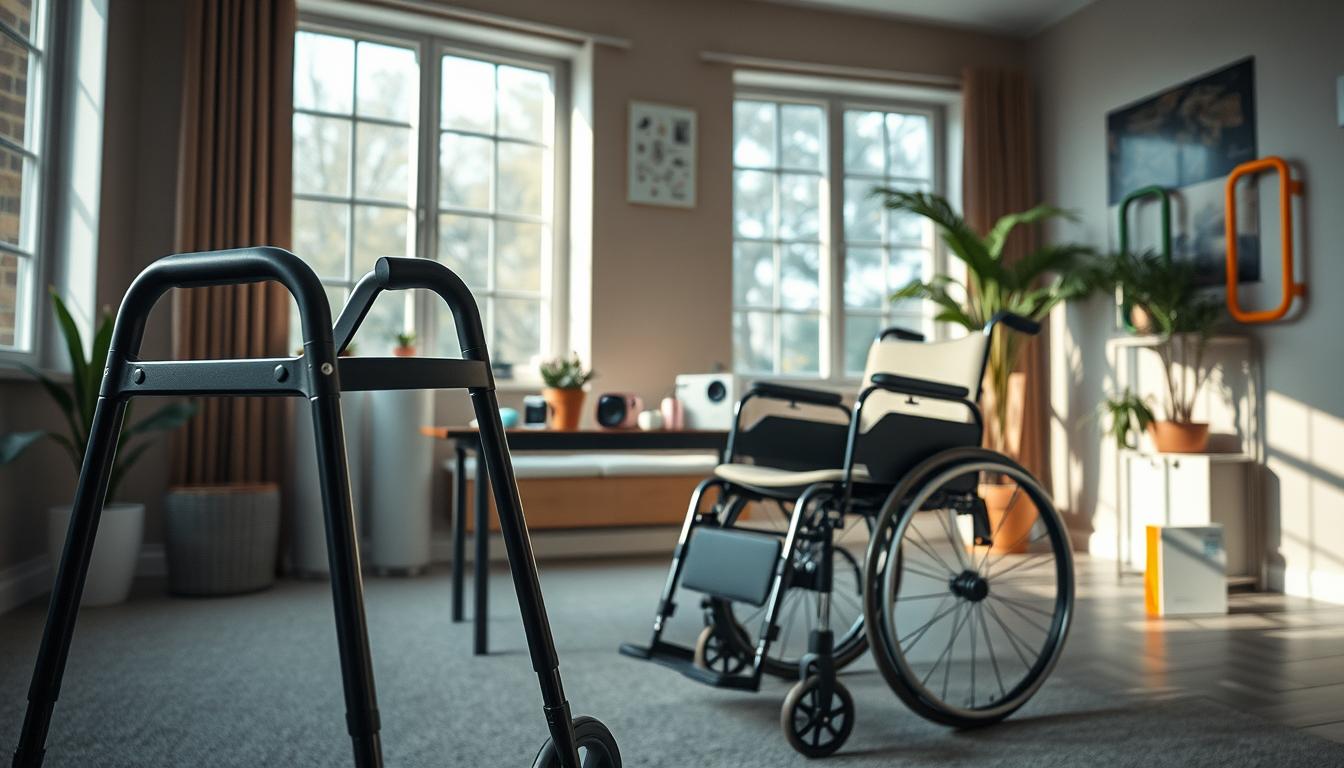
Tools That Support Daily Life With Limited Mobility
Living with physical challenges can feel overwhelming at times. Simple activities might seem difficult. But you have more options than ever to regain control and live on your own terms.
The right assistive equipment can make a huge difference. These items are designed to help you complete tasks around your home with greater ease and safety. They bridge the gap between struggle and confident accomplishment.
From the bathroom to the kitchen, specialized aids work alongside you. They reduce physical strain and help prevent injuries. The goal is to support your autonomy and make your routine more comfortable.
This guide explores essential categories of helpful products. We will help you understand which options best match your specific situation and preferences. Whether you are managing a long-term condition or recovering from an injury, you will find practical solutions.
Our focus is on empowering you. We will cover everything from safety equipment to helpful gadgets. Each product is created with your self-reliance in mind.
Key Takeaways
- Assistive equipment can transform your routine and restore a strong sense of independence.
- Living with physical challenges does not mean you have to sacrifice your autonomy.
- The right aids help you complete daily activities with confidence and dignity.
- Adaptive products reduce strain and prevent injury, making life more comfortable.
- This guide covers essential categories to help you find solutions that match your needs.
- Practical options are available for those recovering from injury or managing a chronic condition.
- Discover products designed for various areas of your home, all focused on supporting your self-reliance.
Introduction to Adaptive Tools for Daily Life
Adaptive equipment offers a pathway to greater freedom and confidence in your own home. These items are smart partners designed to support your abilities. They help you navigate your space with more ease and less strain.
The first step is always looking at your own situation. What works perfectly for one person might not be the ideal fit for you. Your specific needs are the most important factor in choosing the right aids.
Understanding Your Needs
Think about the activities that require the most effort. Is it reaching for a high shelf? Or perhaps getting a firm grip on a jar? Making a simple list of challenging tasks helps you focus your search.
This personalized approach ensures you find solutions that make a real impact. The goal is to match the product to the problem you experience. This creates a much more effective and satisfying result.
Benefits of Assistive Devices
The advantages of these devices go far beyond basic help. They are about maintaining your independence and dignity. They significantly reduce the risk of accidents like slips and falls.
You also save precious energy for the things you love. As specialist Dr. Shilpa Amin suggests, adding one item at a time lets you adjust comfortably. This gradual method builds confidence.
These products are clever innovations that empower your lifestyle. They allow you to complete essential tasks on your own terms. This support helps you maintain the living situation you value most.
Understanding Your Daily Living Challenges
Identifying what makes certain tasks difficult for you personally opens the door to effective support. Your challenges in daily living are completely unique to your situation. Recognizing them clearly helps you find the right solutions.
Common difficulties might include reaching high shelves or bending to put on shoes. Getting in and out of the bathtub can be another challenge. Standing for extended periods while cooking may also cause strain.
Take time to observe which activities cause the most discomfort throughout your day. These are the areas where adaptive equipment can have the greatest impact. Some challenges are obvious, like walking difficulties, while others are more subtle.
Hand tremors that make eating difficult or joint pain when opening containers deserve attention. Understanding the root cause of your mobility limitations helps you choose appropriate support. Whether it’s arthritis, injury recovery, or age-related changes, targeted solutions exist.
You don’t need to address every challenge at once. Focus on the one or two activities that would most significantly improve your quality of life. Remember that your needs may change over time, so regular reassessment ensures continued support.
Essential Mobility Aids for Everyday Tasks
Building a foundation of stable movement starts with selecting appropriate walking aids. These essential mobility aids provide the stability and support you need to navigate your home confidently. They form the core of safe movement throughout your living space.
Walkers, Canes, and Rollators
Walkers offer maximum stability with four contact points on the ground. Canes provide lighter support if you need help with balance but can bear most weight independently. Rollators combine walker stability with wheel convenience and often include built-in seats.
The Vive folding cane starts at $16.99 and offers portable height adjustment. Collapsible designs like the Honmido foldable walking cane make travel easier. These mobility aids help maintain balance and make standing up simpler.
Transfer Devices and Standing Aids
Transfer boards come in various sizes to help you move safely from your wheelchair to bed or car. They reduce fall risk during vulnerable moments. Gait belts provide an extra layer of safety by giving caregivers secure assistance.
When choosing this equipment, consider weight capacity and adjustability. Think about whether you’ll use the aids indoors, outdoors, or both. These fundamental pieces can dramatically reduce your fall risk while preserving independence.
Kitchen-Friendly Adaptive Tools
Your kitchen should be a place of comfort and capability, not a source of struggle. The right products can turn meal preparation and eating into enjoyable, independent activities.
Many helpful items are designed to address common challenges like grip strength and stability. They provide the support you need to cook and dine with confidence.
Modified Utensils and Two-Handled Mugs
Specialized eating utensils can dramatically improve your dining experience. Weighted options help stabilize hand tremors, allowing for smoother movement.
Brands like Therafin offer sets with hard-coated spoons to protect your teeth. Two-handled mugs give you greater control, preventing spills for those with dexterity concerns.
EazyHold Silicone Grip Aids are versatile products that slip onto various items. They create a secure, comfortable hold for everything from a fork to a paintbrush.
An electric can opener, like the Cuisinart CCO-55 Deluxe, eliminates a difficult manual task. These small changes make life easier and give you back a sense of control.
| Utensil Type | Key Benefit | Ideal For |
|---|---|---|
| Weighted Utensils | Adds stability to reduce shaking | Hand tremors, Parkinson’s |
| Two-Handled Mugs | Provides extra grip and control | Arthritis, weak grip strength |
| Silicone Grip Aids | Creates a non-slip surface on existing items | General dexterity issues |
Accessible Kitchen Modifications
Beyond individual tools, consider changes to your kitchen’s layout. Pull-out drawers bring contents to you, eliminating difficult bending and reaching.
Touch-free faucets are excellent products for when your hands are full or wet. Ensuring adequate lighting and clear walkways is crucial for preventing accidents.
Adjusting counter heights can also reduce strain during food preparation. These modifications work together to create a safer, more functional space.
Bathroom Aids for Enhanced Safety
The bathroom presents unique challenges that require thoughtful safety solutions. Wet surfaces and confined spaces can create hazardous conditions. Proper equipment transforms this area into a secure environment for personal care.
These bathroom aids help you maintain hygiene routines with confidence. They address specific risks while supporting your autonomy. The right choices make a significant difference in your comfort level.
Shower Chairs and Grab Bars
Shower chairs provide stable seating during bathing activities. They eliminate the need to stand on slippery surfaces. This dramatically reduces your fall risk while conserving energy.
Options include models with and without backs for different stability needs. Some feature commode openings for dual functionality. Always measure your shower space before selecting a chair.
Grab bars offer crucial support points throughout the bathroom. The Arthritis Supplies Grab Bar provides reliable anchoring. Install them near the shower, toilet, and other transition areas.
Commode and Toilet Safety Solutions
Raised toilet seats like the Drive Medical model add essential height. They make sitting down and standing up much easier. This is particularly helpful for those with joint concerns.
Commode chairs with removable buckets serve multiple purposes. They can be used bedside when bathroom access is difficult. Bariatric options support up to 650 pounds for wider accessibility.
Tub transfer benches bridge the gap between wheelchair and bathtub. You slide across safely instead of stepping over high edges. Additional modifications include non-slip surfaces and lever-style faucets.
Innovative Grabber and Reach Tools
When everyday items fall just out of comfortable reach, specialized grabbing devices become invaluable helpers. These extension tools bridge the gap between you and objects that would otherwise require risky stretching or bending.
Hand Grabbers for Everyday Tasks
The TH-NTH 2-pack hand grabber offers an affordable solution at $26.99. This versatile tool features a comfortable handle design and silicon claw for secure gripping.
Its rotating head adapts to various angles, making it perfect for retrieving dropped objects. The entire device folds in half for convenient storage and portability throughout your home.
These reach aids extend your natural range by several feet. They safely retrieve items from high shelves, tight spaces, or the floor without strain. This prevents potential injuries from overexertion.
| Feature | Benefit | Ideal Use |
|---|---|---|
| Rotating Head | Angles to match object position | Hard-to-reach spaces |
| Silicon Claw Tips | Secure grip without damage | Smooth or delicate items |
| Foldable Design | Easy storage and transport | Multiple locations |
| Extended Length | Reach without bending | High shelves and floors |
Whether recovering from surgery or managing chronic pain, this tool makes retrieval tasks significantly easier. Keep one in your car, bedroom, and living area for immediate access when needed.
Enhancing Independence Through Dressing Aids
Dressing yourself without assistance represents an important milestone in preserving your autonomy. These specialized products help you maintain your personal style and get ready each day on your own terms.
Getting dressed can become challenging when flexibility or movement is restricted. Simple tasks like putting on socks or fastening buttons may require extra effort. The right equipment makes these activities manageable again.
Shoe Horns, Sock Aids, and Dressing Sticks
Long-handled shoe horns eliminate bending to put on footwear. The Vive Long Shoe Horn provides this convenience without strain. This is particularly helpful after hip surgery or with back concerns.
Sock aids like the RMS Deluxe Sock Aid use a simple cradle system. You can pull on socks without lifting your foot or excessive bending. These devices require minimal flexibility to operate effectively.
| Product Type | Primary Function | Key Benefit | Ideal For |
|---|---|---|---|
| Long Shoe Horn | Footwear application | Eliminates bending | Back issues, hip replacement |
| Sock Aid | Sock placement | No foot lifting required | Limited flexibility |
| Dressing Stick | Clothing adjustment | Reduces reaching strain | Arthritis, recovery |
The RMS Dressing Stick features a hook and pusher design. It helps pull up pants and arrange clothing without excessive movement. These simple solutions save time and reduce frustration during your morning routine.
By maintaining your ability to dress independently, you preserve personal autonomy. These aids are valuable after surgery or when managing chronic conditions. They transform dressing from a struggle into a confident accomplishment.
Tools for Limited Mobility Daily Life: A Curated List
A well-chosen collection of supportive items empowers you to maintain independence throughout your routine. This selection brings together practical solutions that address various needs across your living space.
In the kitchen, innovative devices like the Cuisinart CCO-55 Electric Can Opener eliminate difficult manual tasks. The Rehabilitation Advantage TGrip Rocker Knife provides safer cutting options. These kitchen helpers make meal preparation more manageable.
For personal care, the AmazerBath Lotion Applicator at $9.99 helps with hard-to-reach areas. Bathroom safety equipment includes the Drive Medical Raised Toilet Seat and Medline height adjustable frame. These provide crucial stability where you need it most.
Walking aids range from the budget-friendly Vive folding cane at $16.99 to the VOCIC foldable walker with seat. The Drive Medical Walking Stick with Seat offers both support and resting convenience. Specialized equipment like the Progenix Strong and Steady Lift Aid accommodates diverse needs.
Versatile gripping aids such as EazyHold Silicone Hand Grip Aids work with multiple utensils. Standing assistance tools like the Vive Stand Assist help with transitions. Each product serves a specific purpose in enhancing your autonomy.
Tips for Choosing the Right Adaptive Equipment
Your journey to finding the perfect adaptive solutions begins with understanding what makes equipment truly suitable for you. These practical tips help you make informed decisions that match your specific situation and preferences.
Safety Considerations and Certifications
Safety should always be your top priority when selecting supportive devices. Look for products with appropriate certifications like ADA guidelines. Verify that weight limits and design features match your physical requirements.
Working with a medical professional ensures the equipment you choose is safe and fits properly. This prevents injuries from ill-fitting devices. Consider the materials and construction quality of each item.
| Safety Factor | What to Check | Why It Matters | Professional Input |
|---|---|---|---|
| Weight Capacity | Manufacturer specifications | Prevents equipment failure | Doctor’s recommendation |
| Certifications | ADA, medical device approvals | Ensures safety standards | Therapist verification |
| Material Quality | Durability, non-slip surfaces | Long-term reliability | Occupational therapist advice |
| Proper Fit | Adjustability, custom options | Comfort and effectiveness | Professional fitting session |
Trying Before Buying
Testing equipment before purchase is one of the most valuable tips you can follow. Each state has assistive technology lending libraries where you can try devices. This helps you avoid expensive mistakes.
Consider the total cost beyond the initial price. Think about insurance coverage and maintenance requirements. Quality equipment that lasts provides better value than cheaper options.
Consult with patient advocates or social workers who understand funding options. They can guide you toward the right devices for your circumstances. This support makes your selection process much smoother.
Expert Recommendations and Professional Insights
Working with healthcare specialists provides personalized strategies for incorporating helpful products into your routine. These professionals offer valuable perspectives that ensure your choices match your specific needs.
Insights from Specialists like Dr. Shilpa Amin
Dr. Shilpa Amin, an ABMS board certified physician, emphasizes gradual integration of supportive devices. This approach helps many people adjust comfortably without feeling overwhelmed.
Her method addresses common anxieties about accepting assistance. You build confidence with each new item you incorporate. This benefits your overall health and well-being.
The Role of Occupational and Physical Therapists
Occupational therapists assess your home environment and personal abilities. They recommend specific equipment that makes a real difference in your routine.
Physical therapists focus on improving your physical function. They teach techniques to compensate for limitations while suggesting appropriate devices.
Working with this healthcare team ensures your equipment truly serves your needs. Their guidance supports both you and your family in maintaining independence.
Affordable Options to Make Life Easier
You don’t need an unlimited budget to access helpful products that enhance your safety and autonomy. Many effective items cost less than $30, making them accessible to those on fixed incomes.
The AmazerBath Lotion Applicator at just $9.99 helps maintain personal care routines without uncomfortable reaching. This budget-friendly solution demonstrates how small investments can make life easier.
Vehicle assistance doesn’t have to be expensive either. The Stander Car Caddie at $13.88 and Able Life car assist grab bar handle from $19.00 provide crucial support every time you enter or exit your car.
Essential walking support remains affordable with options like the Vive folding cane from $16.99. The Honmido foldable walking cane at $19.88 offers similar benefits without straining your finances.
Even specialized equipment like the Sotvacmit Liberty handheld lift standing aid at $22.69 proves remarkably affordable. These products help people maintain independence while staying within budget.
When finances are tight, focus on the one or two items that will make the biggest difference in your routine. Small, inexpensive adaptive products can dramatically improve your quality of life for years to come.
Adaptive Tools for Enhancing Vehicle Safety and Mobility
Your vehicle serves as your gateway to the wider world, making safe transitions crucial for continued independence. Getting in and out of your car can present unique challenges that require thoughtful solutions.
Specialized products exist to provide the support you need during these moments. They offer stable points that make entering and exiting your vehicle much simpler.
Car Safety Handles and Assist Bars
The Stander Car Caddie creates a reliable support system rated for up to 250 pounds. This well-designed strap buckles securely around your window frame.
At just $13.88, it represents exceptional value for preventing falls. The comfortable grip design reduces strain on your hands and wrists.
You get the leverage needed to pull yourself up or lower down safely. This affordable addition to your vehicle provides crucial assistance every time you travel.
The Able Life car assist grab bar handle offers similar functionality starting at $19.00. Both options give you choices based on your specific car model and preferences.
These devices are particularly valuable if you experience knee, hip, or back concerns. They make the twisting motion of vehicle entry much more manageable.
By investing in these simple modifications, you protect your mobility beyond home. You ensure continued access to appointments, family visits, and social connections.
Maintenance and Adjustments for Long-Term Use
Your supportive devices work hard every day, and they deserve regular care to keep performing their best. Proper maintenance ensures your equipment remains safe and effective year after year.
Create a simple inspection routine for the first day of each month. Check for loose screws on walkers, worn rubber tips on canes, or cracks in shower chairs. Catching small issues early prevents bigger safety problems later.
Many devices have adjustable components that can change as your needs evolve over time. Learning how to make these adjustments extends your investment’s useful life. Always ask suppliers about repair services and replacement parts availability.
Simple maintenance tasks include tightening screws and cleaning surfaces. Replace worn grips or tips before they become hazardous. Store collapsible items properly when not in use.
As your condition changes, have your equipment re-evaluated by professionals. They can recommend adjustments that better match your current situation. This proactive approach keeps your supportive devices working optimally.
Finding Community Resources and Lending Libraries
Discovering supportive networks can significantly expand your access to helpful devices. Your local community offers valuable ways to try equipment before making purchases. This approach helps you find what truly works for your situation.
Every state maintains assistive technology lending libraries. These programs allow people to borrow devices for trial periods. You can test different options without financial commitment.
The nonprofit AAccessible provides a comprehensive national directory. This resource helps you locate lending libraries in your area. Finding the right equipment becomes much simpler with this support.
| Resource Type | Services Offered | Contact Method | Benefit |
|---|---|---|---|
| State Lending Libraries | Equipment trials, training | State agency websites | Risk-free testing |
| AAccessible Directory | National library listings | Online database | Easy location finding |
| Rehabilitation Departments | Funding assistance, evaluations | Local offices | Professional guidance |
| Condition-Specific Groups | Peer support, resources | Organization websites | Specialized knowledge |
State assistance programs include departments of rehabilitation and Community Living administrations. These organizations provide additional ways to access devices and funding. They often connect you with expert advice.
The National Multiple Sclerosis Society recommends clinical evaluations before trying new equipment. Many community resources offer these assessments. This ensures the devices match your specific needs.
These community connections provide more than just equipment lending. You can join educational workshops and meet other people facing similar challenges. Learning from others’ experiences helps you make better choices for your independence.
Leveraging Adaptive Devices for a Safer Home Environment
Creating a secure home environment involves more than just individual devices. It requires thinking about how your entire living space supports your independence.
Strategic placement makes all the difference in your daily routine. Keep grabbers near your favorite chair and position shower chairs before you need them.
Integrating Tools into Your Daily Routine
Home modifications work together with your adaptive devices. Grab bars and nonslip surfaces create a comprehensive safety system throughout your living area.
Adequate lighting prevents falls and helps you see clearly during activities. This is especially important if you have vision concerns.
Clear pathways between rooms give your wheelchair or walker plenty of room. They prevent trips and collisions while moving through your home.
| Safety Feature | Primary Benefit | Key Consideration | Room Application |
|---|---|---|---|
| Grab Bars | Fall prevention | Proper installation height | Bathroom, hallways |
| Non-slip Surfaces | Stability enhancement | Material durability | All flooring areas |
| Lever-style Faucets | Easier operation | Water temperature control | Kitchen, bathroom |
| Enhanced Lighting | Visibility improvement | Energy-efficient bulbs | Entire home |
Temperature control and proper ventilation contribute to your comfort. These elements make daily living more pleasant when you spend significant time at home.
Kitchen modifications complement your adaptive devices beautifully. Pull-out drawers and adjusted counter heights make meal preparation fully accessible.
The goal is creating an environment where devices feel like natural extensions rather than medical equipment. This approach lets you move through activities with confidence and control.
Conclusion
The path to maintaining your autonomy involves seeing adaptive equipment not as compromises but as clever partners in your daily routine. This mindset shift transforms how you approach challenges and solutions alike.
Each device you choose represents a proactive step toward protecting your health and preserving energy. Whether it’s a wheelchair accessory or simple dressing aid, these items help you focus on what matters most. They support your independence without drawing unnecessary attention.
Your journey with supportive technology is personal and worth celebrating at every stage. Start with what feels right for your current needs and build from there. With the right approach, you can create an environment where your capabilities shine through every day.